Why Is My Dog Coughing? 5 Causes Vets Say You Shouldn't Ignore | hiq-pets
Many pet parents hear their dogs coughing at night—a dry “ka, ka” sound or even a goose-like honk—and immediately think it’s just a cold. But for senior dogs, persistent coughing is often a warning sign of heart problems. Beyond identifying the cause, care starts with home observation and daily nutrition.

1. Heart Disease: The
Silent Killer in Senior Dogs
-
High-risk group: Dogs aged 7–8 years
and older, especially small breeds
-
Symptoms: Coughing when resting, lying down,
early in the morning, or late at night. This may be due to an enlarged
heart pressing on the trachea, leading to chronic heart disease.
-
Treatment & care: Veterinary
medication, regular heart checkups, and home monitoring.
💡 Home monitoring tip: Sleeping respiratory rate (SRR) should be
under 30 breaths per minute. A persistent increase indicates declining heart
function.
2. Tracheal Disease: A
Weak Spot for Small Breeds
-
High-risk group: Chihuahuas,
Pomeranians, Mini Dachshunds, Maltese, Poodles, Schnauzers, and other
small breeds
-
Symptoms: Frequent coughing, reduced stamina,
intolerance to exercise, goose-like honking sounds, and choking while
eating or drinking.
-
Treatment & care: Veterinary
medication or surgery, plus maintaining proper humidity at home.
3. Respiratory
Infections: Fast-Spreading Health Threats
-
High-risk group: Dogs exposed to
Bordetella, parainfluenza virus, canine herpesvirus, or adenovirus type II
-
Symptoms: Coughing, sneezing, nasal/eye
discharge, and loss of appetite in severe cases
-
Treatment & care: Veterinary medication
and nutritional support to boost immunity.
⚠️ Highly contagious—multi-dog households must be extra cautious!
4. Psychological Factors:
Stress Can Trigger Coughing
-
High-risk group: Dogs experiencing
excitement, nervousness, or sudden fright
-
Symptoms: Short, rapid dry coughs
-
Treatment & care: Usually no
treatment needed. If coughing persists after calming down, seek veterinary
diagnosis.
5. Foreign Object
Obstruction: A Dangerous Emergency
-
High-risk group: Dogs that eat too
quickly or have pica (abnormal eating habits)
-
Symptoms: Violent coughing, gagging, pawing at
the mouth right after eating
-
Treatment & care: Check for oral
foreign objects. If lodged deep, do not force removal—rush to the vet
immediately to prevent airway blockage.
Quick Home Check: 2 Steps
Step 1. Check the mouth
Look at tongue and mucous membranes. Healthy color is pink and moist. Pale or
bluish-gray may indicate oxygen deficiency and possible heart issues.
Step 2. Check breathing rate
Count chest rise and fall as one breath. Normal rate: under 30 breaths per
minute. If coughing, abnormal mouth color, or irregular breathing is observed,
seek veterinary care immediately.
Caring for Dogs with
Heart Disease: The “Three Limits, One Supplement” Approach
Heart care isn’t just about medication—it relies on daily observation and lifestyle management. Think of the heart as an engine: pet parents can reduce strain and support health through three limits and one supplement.
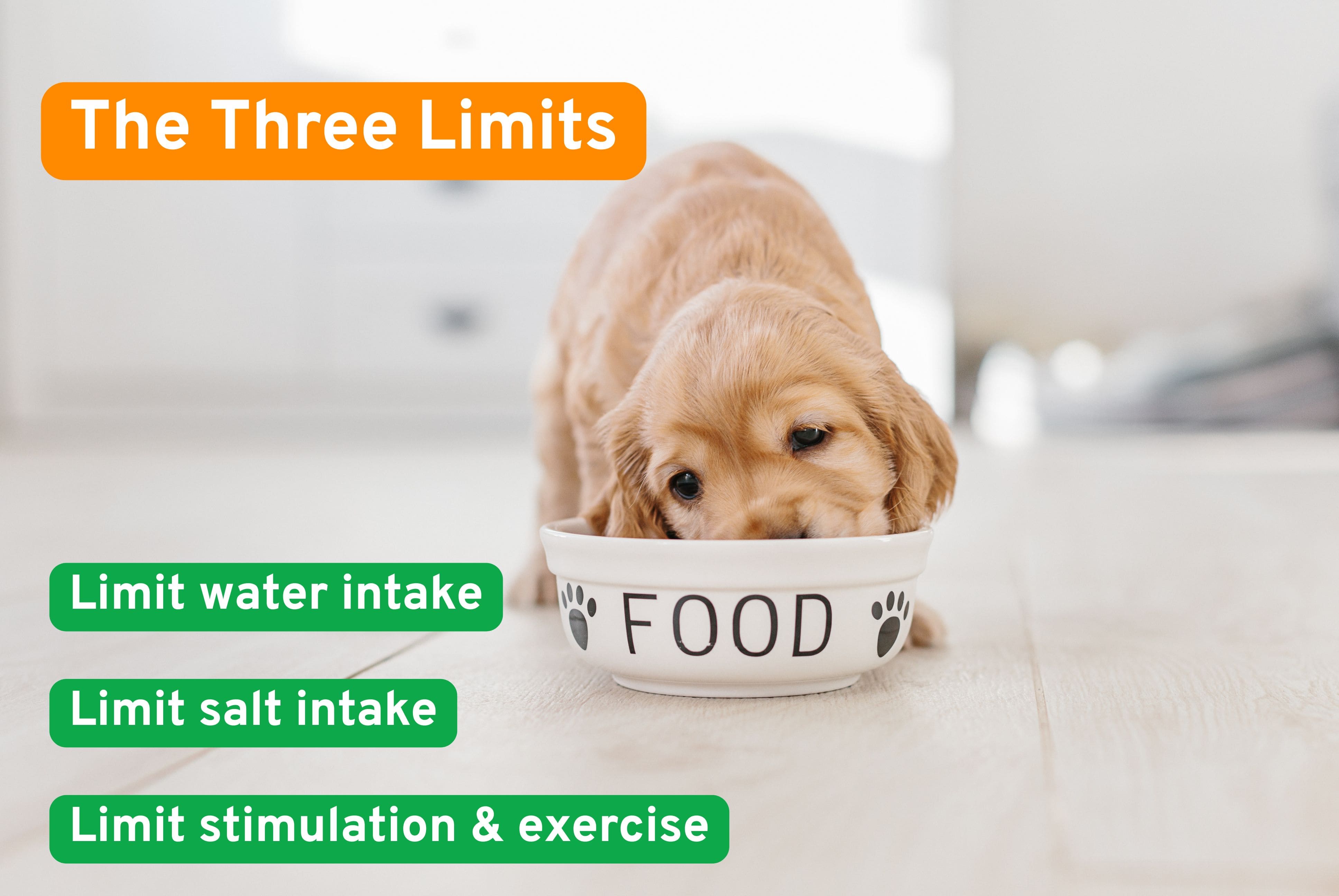
The Three Limits
-
Limit water intake
Excess water dilutes red blood cells, increasing heart strain. Daily water intake = dog’s weight (kg) × 40 ml.
Example: A 6 kg dog should drink no more than 240 ml per day, divided into smaller portions. -
Limit salt intake
High sodium raises blood pressure and worsens symptoms. Dogs with heart issues should eat low-sodium diets with high-quality protein, easily digestible foods, and small frequent meals. -
Limit stimulation & exercise
Replace intense activity with gentle walks or sniffing games. Always monitor breathing—normal is under 30 breaths per minute.
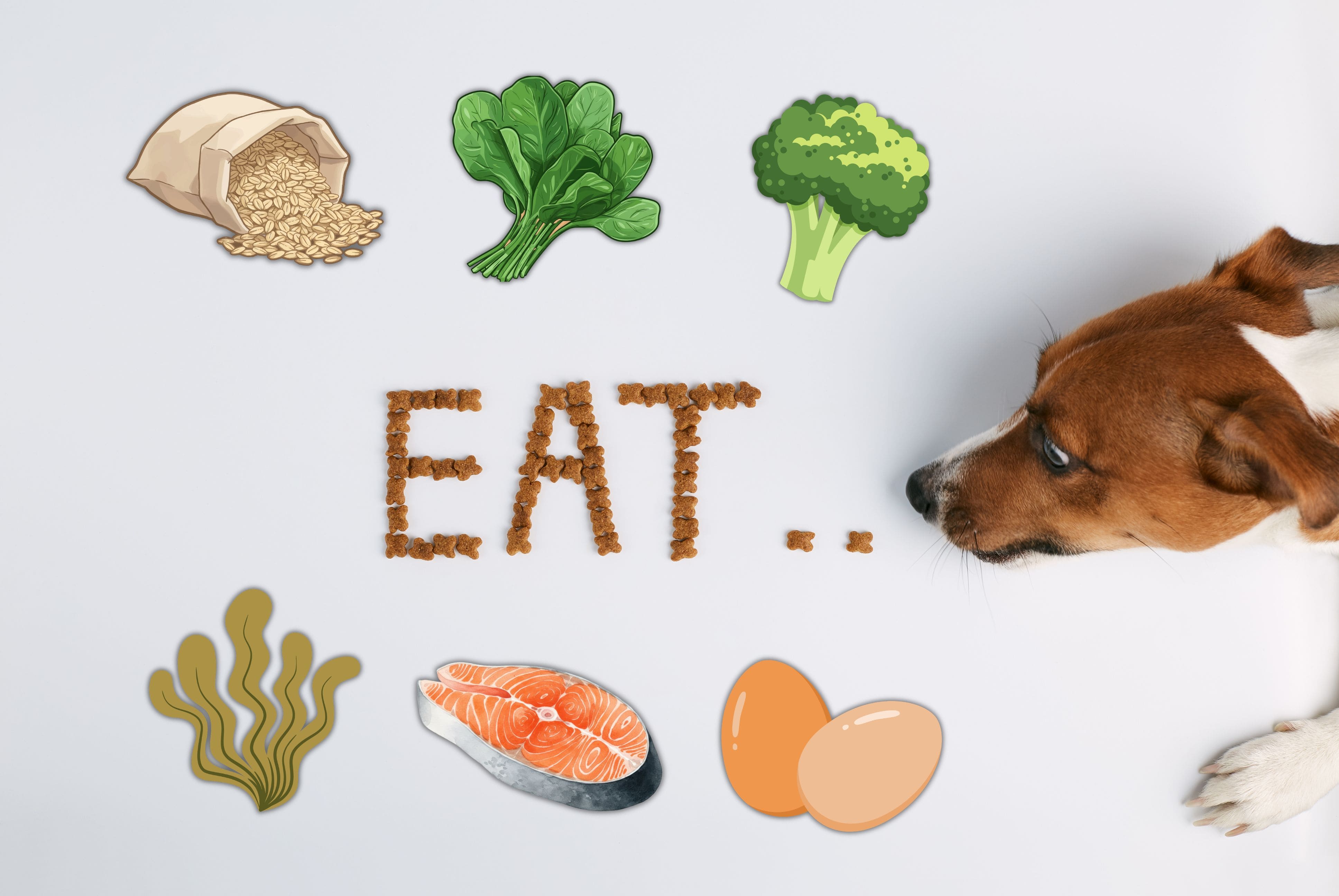
The One Supplement
Targeted nutrition helps maintain stability
and vitality.
-
For stress-induced coughing:Natural foods like oats, spinach, broccoli, and eggs, plus supplements such as GABA and magnesium, help calm nerves and reduce tension.
-
For reduced stamina and energy:Add salmon, mackerel, beef, or soy for healthy fats and energy. Supplements like CoQ10, fish oil, and stable fucoxanthin provide antioxidant support and help sustain vitality.
Gentle Care, Longer
Companionship
Heart care goes beyond vet visits and medication—it depends on pet parents’ careful observation and consistent application of “Three Limits, One Supplement.” By managing diet and daily routines, you can help senior dogs maintain better quality of life and enjoy more years together.
Related Hi-Q Products