
Health & Wellness
-
Recovery used to be an afterthought in sports nutrition — the protein shake after the real work was done. That's changed. Athletes and everyday exercisers alike have gotten fluent in the language of inflammation, and they've started asking sharper questions about what actually helps a body bounce back: not just muscle repair, but the low-grade inflammatory response that lingers after hard training and, left unmanaged, quietly undermines performance over time.
-
There's a shift happening in the longevity aisle, and it isn't just about living longer anymore — it's about living well while you do it. Walk the halls of any nutraceutical trade show this year and you'll hear the same phrase again and again: immune resilience. Not immune "boosting," which always sounded a little like flooring the gas pedal. Resilience — the ability to bend without breaking, to recover quickly, to stay steady under stress. It's a more honest way to talk about what aging bodies actually need, and it's reshaping what formulators reach for.
-
 Muscle loss does not announce itself. It starts quietly in our mid-thirties, accelerates after sixty, and by the time most people notice it, the decline is already significant. Sarcopenia — the progressive loss of skeletal muscle mass and function — now affects an estimated 10 to 27 percent of adults over 60 worldwide. For the supplement industry, it represents one of the fastest-growing and least saturated formulation opportunities of the decade. For patients and caregivers, it is a quality-of-life crisis hiding in plain sight.
 -
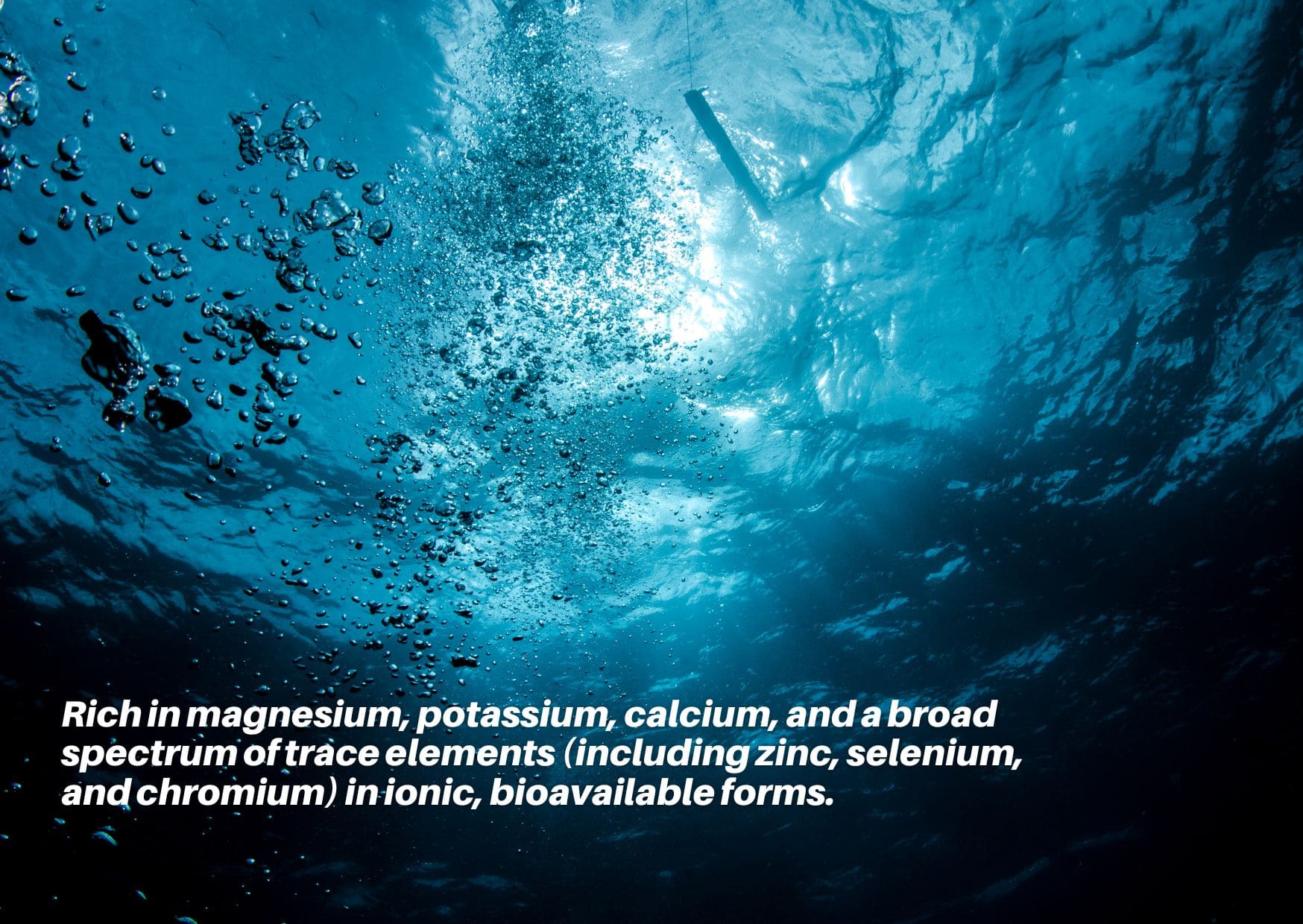
Modern nutrition has a mineral problem. Despite abundant food supplies, chronic mineral deficiencies — magnesium in particular — are widespread across developed and developing markets. The causes are well-documented: industrial farming has depleted mineral content from soils, processed food dominates caloric intake, and high-stress modern lifestyles increase mineral turnover faster than most diets can replenish. Into this gap steps one of the most chemically stable, sustainably abundant mineral sources on the planet: deep sea water.
-
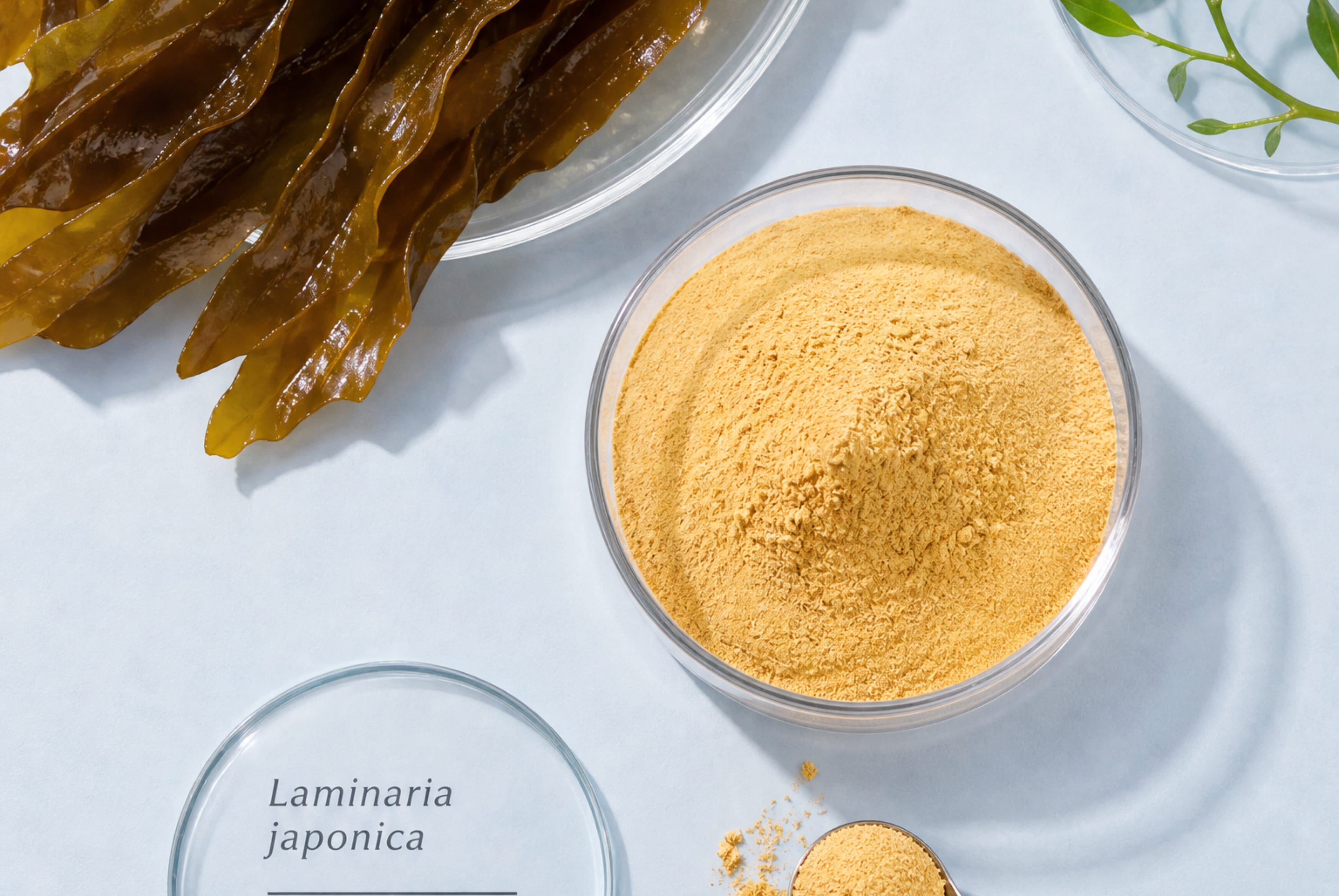 GLP-1 drugs have rewritten the rules of the metabolic health market — and quietly, they have also opened the door for a new generation of natural, science-backed ingredients. Consumers now expect more than weight loss. They want stable blood sugar, a healthy liver, and long-term metabolic resilience. For B2B formulators, this is where low-molecular-weight (oligo) fucoidan, paired with high-stability fucoxanthin, is starting to stand out.
 -

Fucoidan, a bioactive compound extracted from brown seaweed, has gained attention for its ability to support overall wellness, strengthen the body’s natural defenses, and aid recovery after illness. Yet, when browsing the market, you’ll notice that fucoidan products vary widely in price and form. One key distinction is whether the fucoidan is in High‑molecule or low‑molecule form. Does this difference really matter? Let’s break down six common questions to help you understand fucoidan’s benefits and make smarter choices.
-
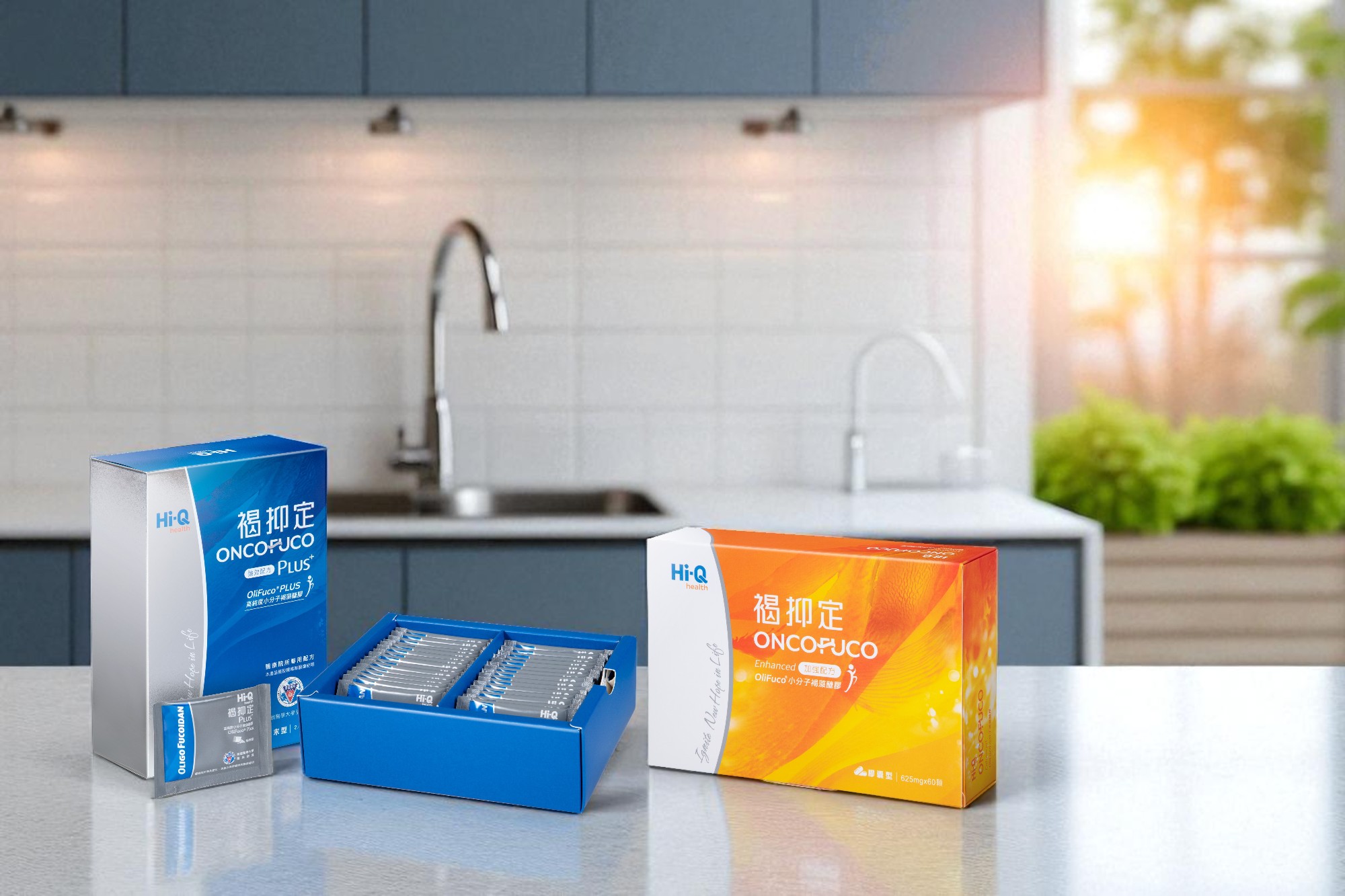
Using dietary supplements as part of daily wellness routines has become a growing trend. Hi-Q ONCOFUCO has emerged as the leading brand in Taiwan, ranking first in both brand awareness and market share. To date, it has earned 20 international certifications, reinforcing its credibility and authority in the health supplement market. Hi-Q is committed to protecting family health, investing heavily in research and development, and leveraging advanced marine technology to deliver safe, high-quality products consumers can trust.
-

Fucoidan has quietly crossed the threshold from niche marine ingredient to a mainstream global bioactive. Third-party market research now confirms what ingredient professionals have been seeing on the ground: demand is accelerating across pharmaceuticals, nutraceuticals, functional foods, and cosmetics — and the window for early-mover advantage is narrowing fast.
This briefing summarizes the latest global market data and explains what these trends mean for B2B buyers actively sourcing fucoidan ingredients today.
-

Did you know? One in four elderly individuals is facing the threat of sarcopenia.
When we care about our parents' or elderly relatives' health, we often focus on blood pressure and blood sugar levels, overlooking an equally important yet more invisible health threat—Sarcopenia. This age-related progressive loss of muscle mass and strength is profoundly affecting the quality of life of older adults, with impacts far more extensive than we might imagine.
-
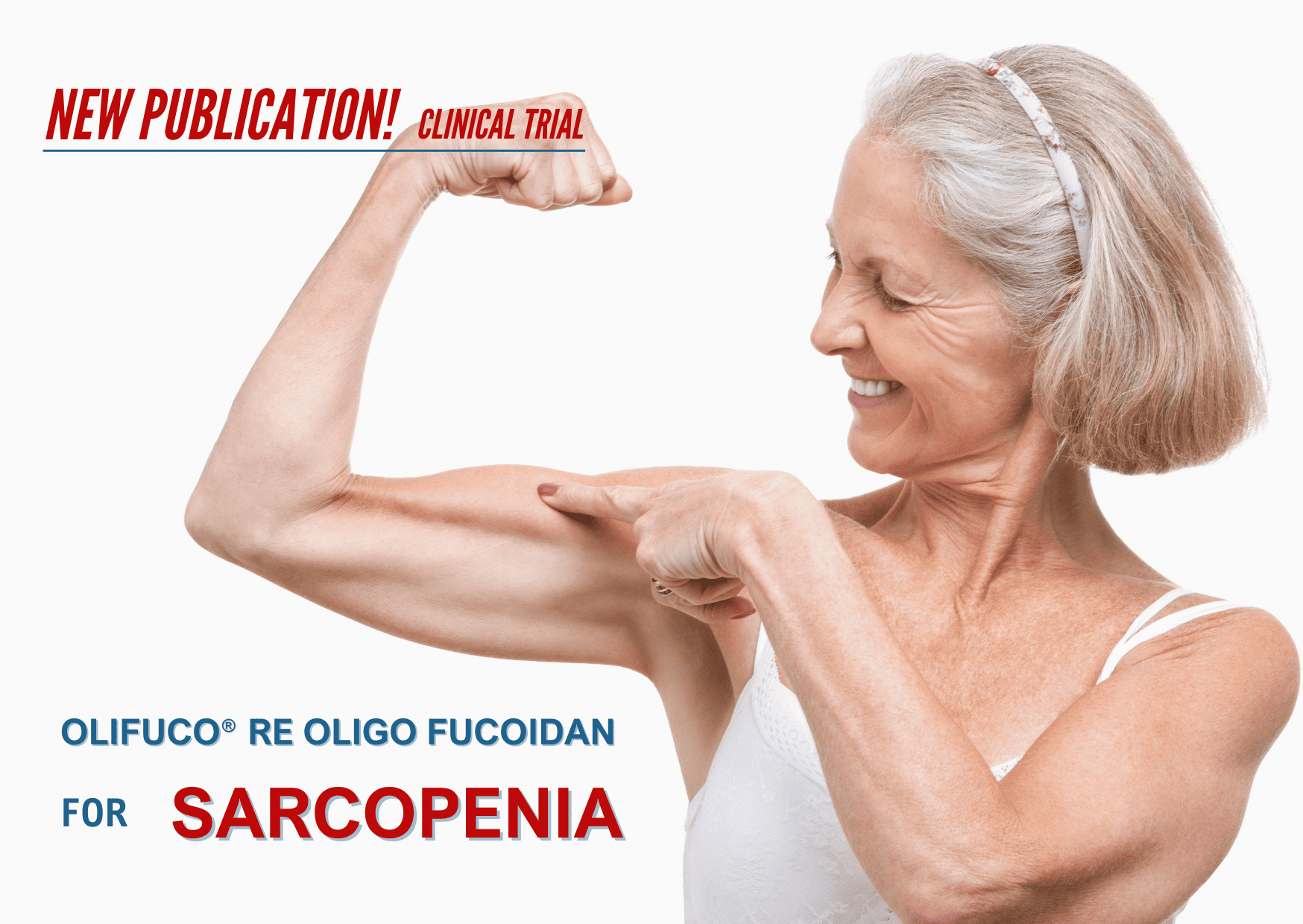
As people age, many older adults notice a gradual decline in physical strength—walking becomes slower, balance feels less stable, and even simple daily tasks like opening a bottle cap can be challenging. These changes are often linked to sarcopenia, an age-related condition characterized by the progressive loss of muscle mass, muscle strength, and physical function.
-
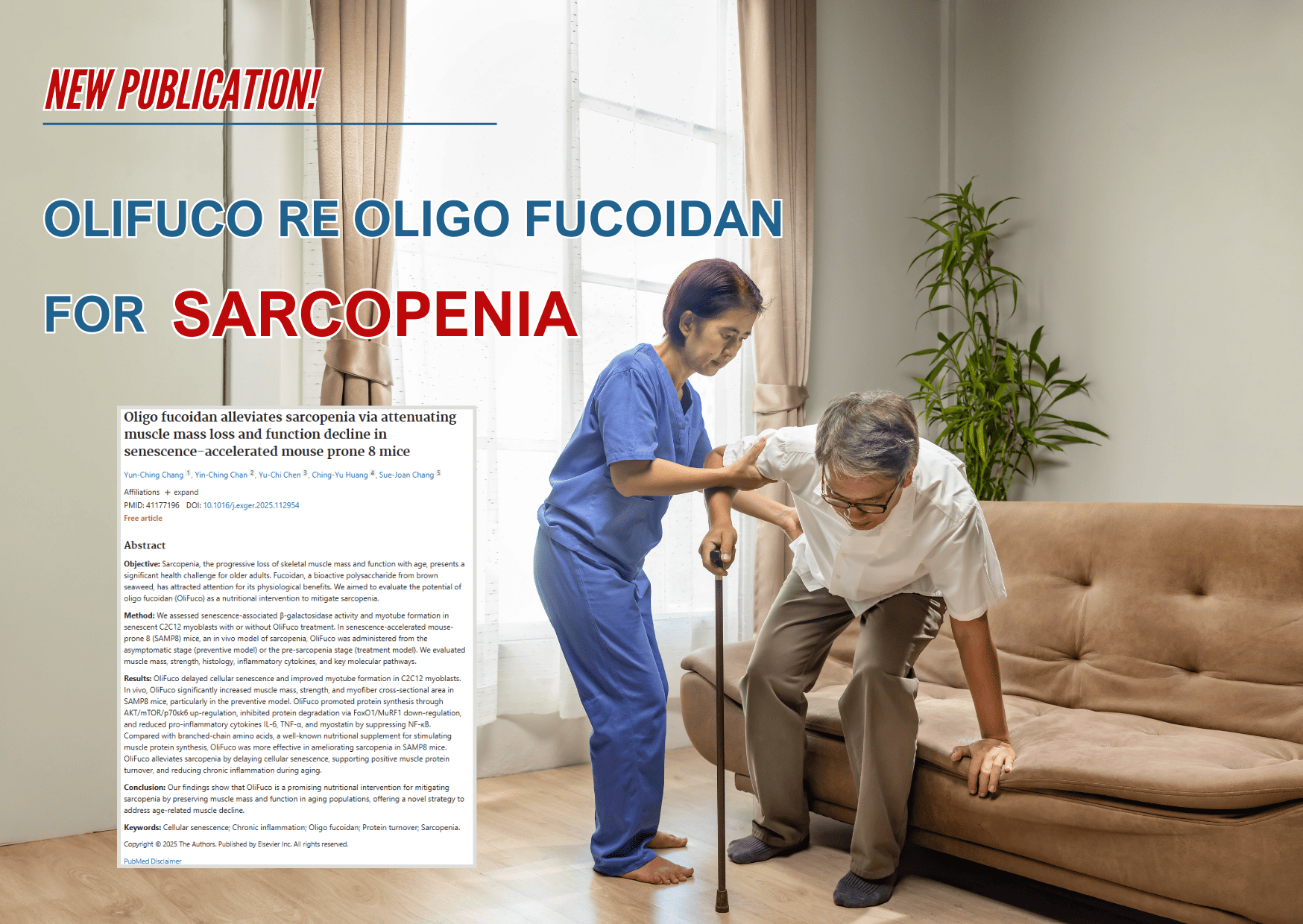
As the global population continues to age, sarcopenia—an age-related condition characterized by progressive muscle loss, reduced muscle strength, and declining physical function—has become a major public health concern. Sarcopenia significantly increases the risk of falls, disability, frailty, and mortality among older adults, while also placing a growing economic burden on healthcare systems worldwide.
-

Japan and Korea share a long-standing cultural bond with the ocean. Seaweed is not only a traditional food source but also a symbol of vitality, purity, and longevity in East Asian culture.
In recent decades, that tradition has evolved into cutting-edge marine biotechnology.
Local researchers and companies have invested heavily in exploring brown algae (Phaeophyceae) — a nutrient-rich marine plant known for its fucoidan and fucoxanthin compounds.