Cancer Care
-
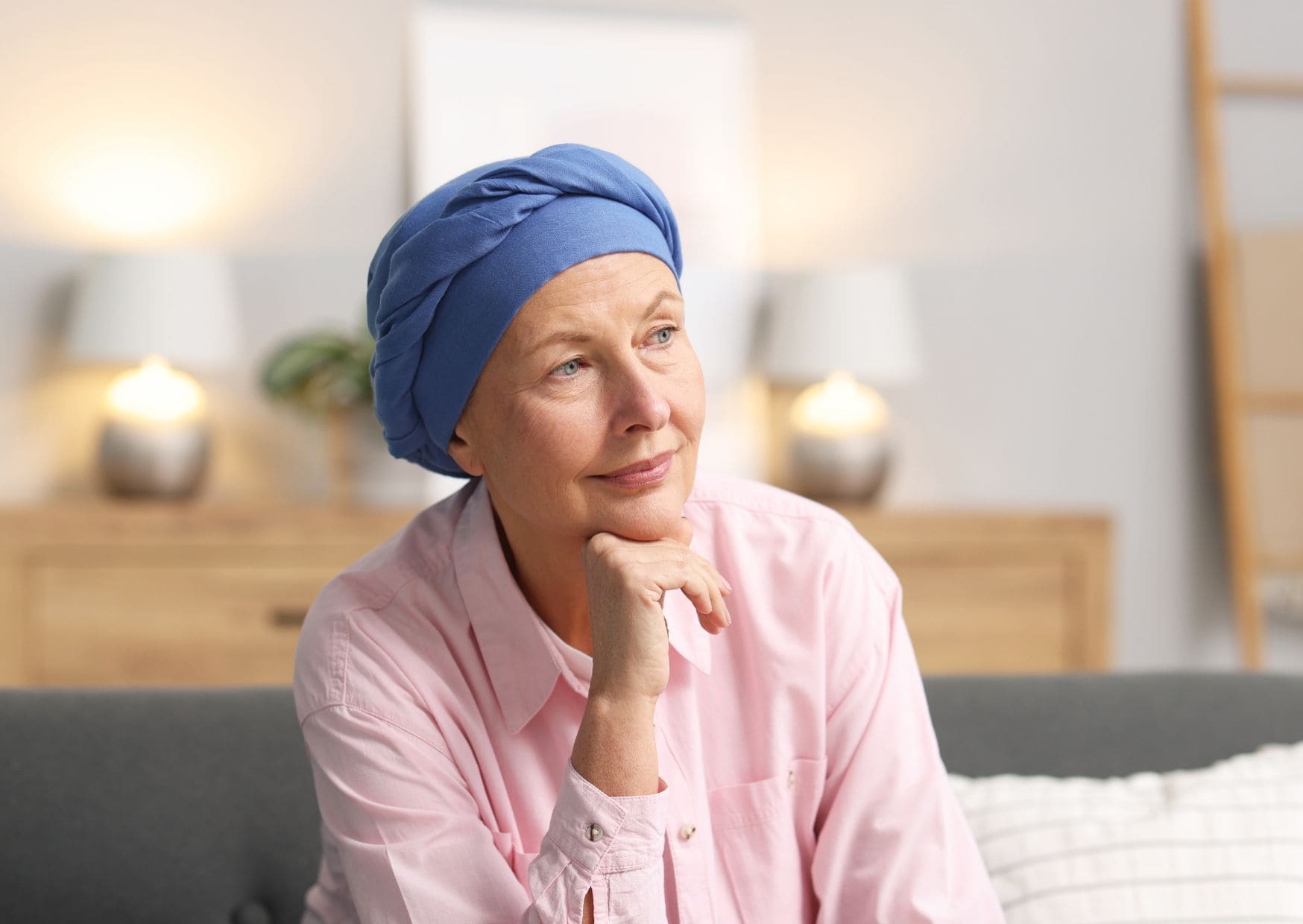
Ask any oncology nurse what the hardest part of treatment is for patients, and chemotherapy itself is only half the answer. The other half is what comes after: the numbness in the fingertips that makes buttoning a shirt difficult, the tingling that keeps someone up at night, the fatigue that outlasts the infusion by weeks. Chemotherapy-induced peripheral neuropathy, or CIPN, affects a significant share of patients on common regimens, and for a long time, oncology hasn't had much to offer beyond dose adjustments and waiting it out.
-
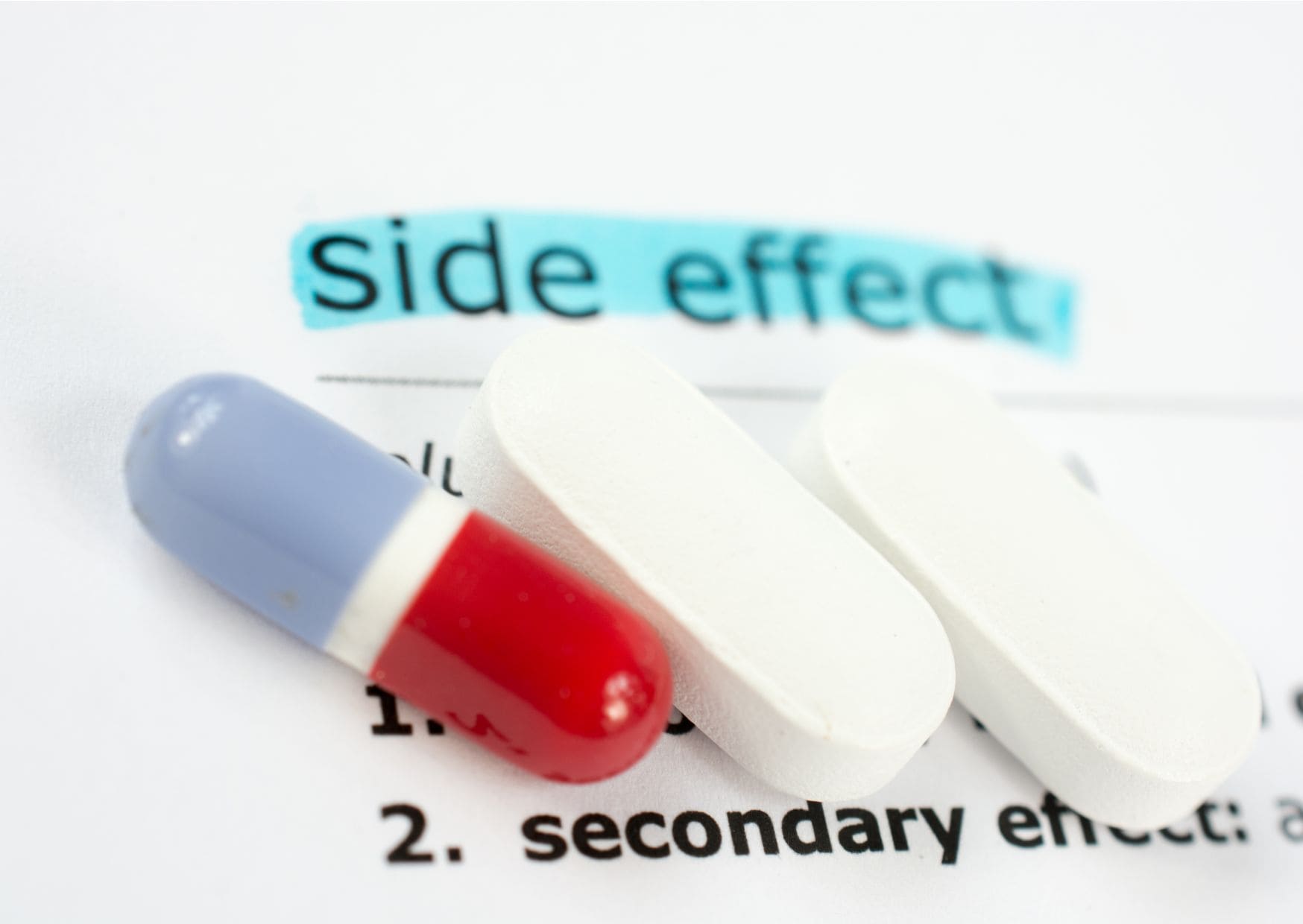
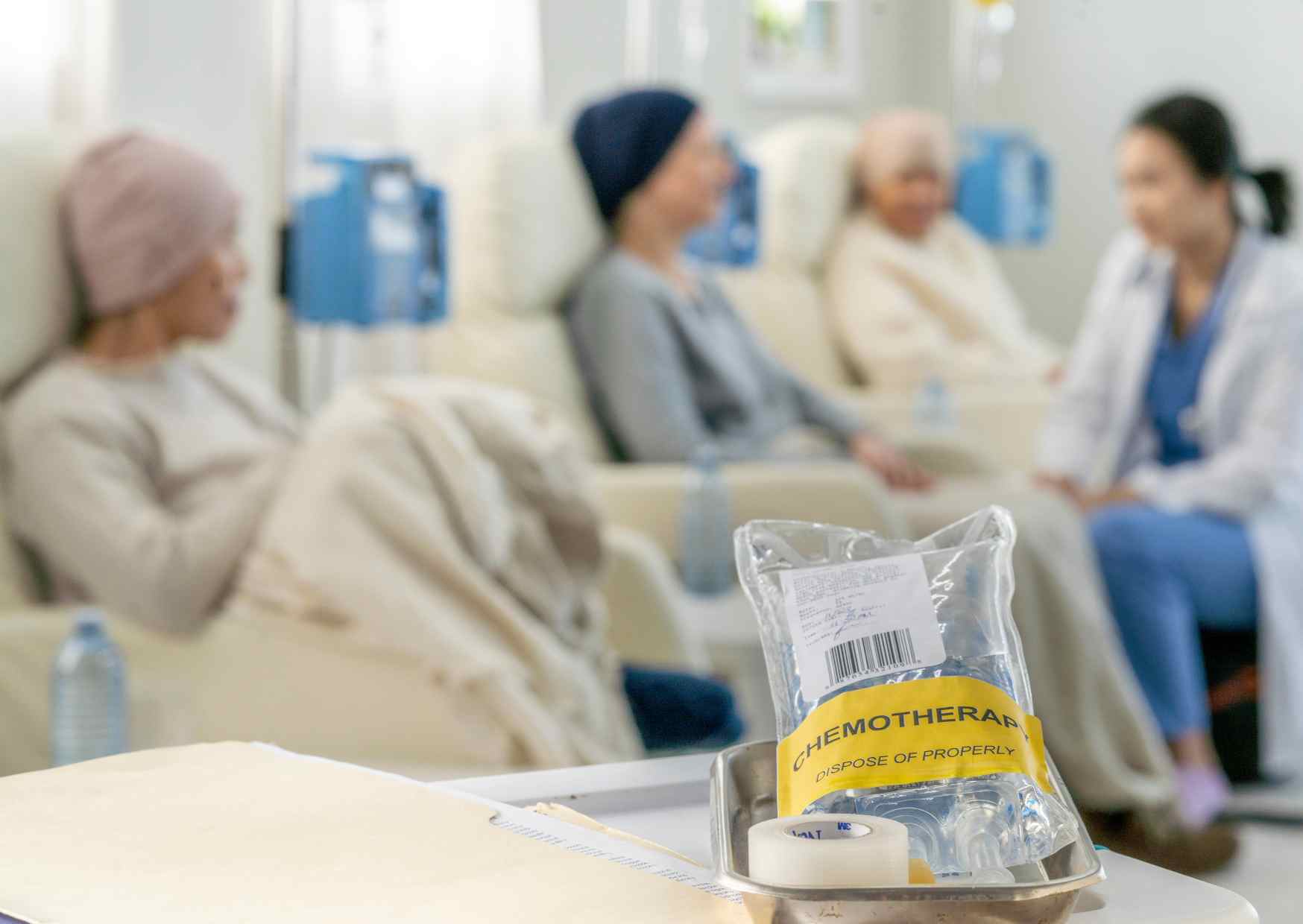
Chemotherapy saves lives. It also exacts a significant toll on the body: nausea and vomiting, immune suppression, fatigue, mucositis, gut dysbiosis, and peripheral neuropathy are among the most common side effects reported by patients undergoing treatment. For many patients, these side effects — not the cancer itself — are the primary barrier to completing a full course of therapy. Supportive oncology nutrition is one of the most important and underserved categories in cancer care today.
-
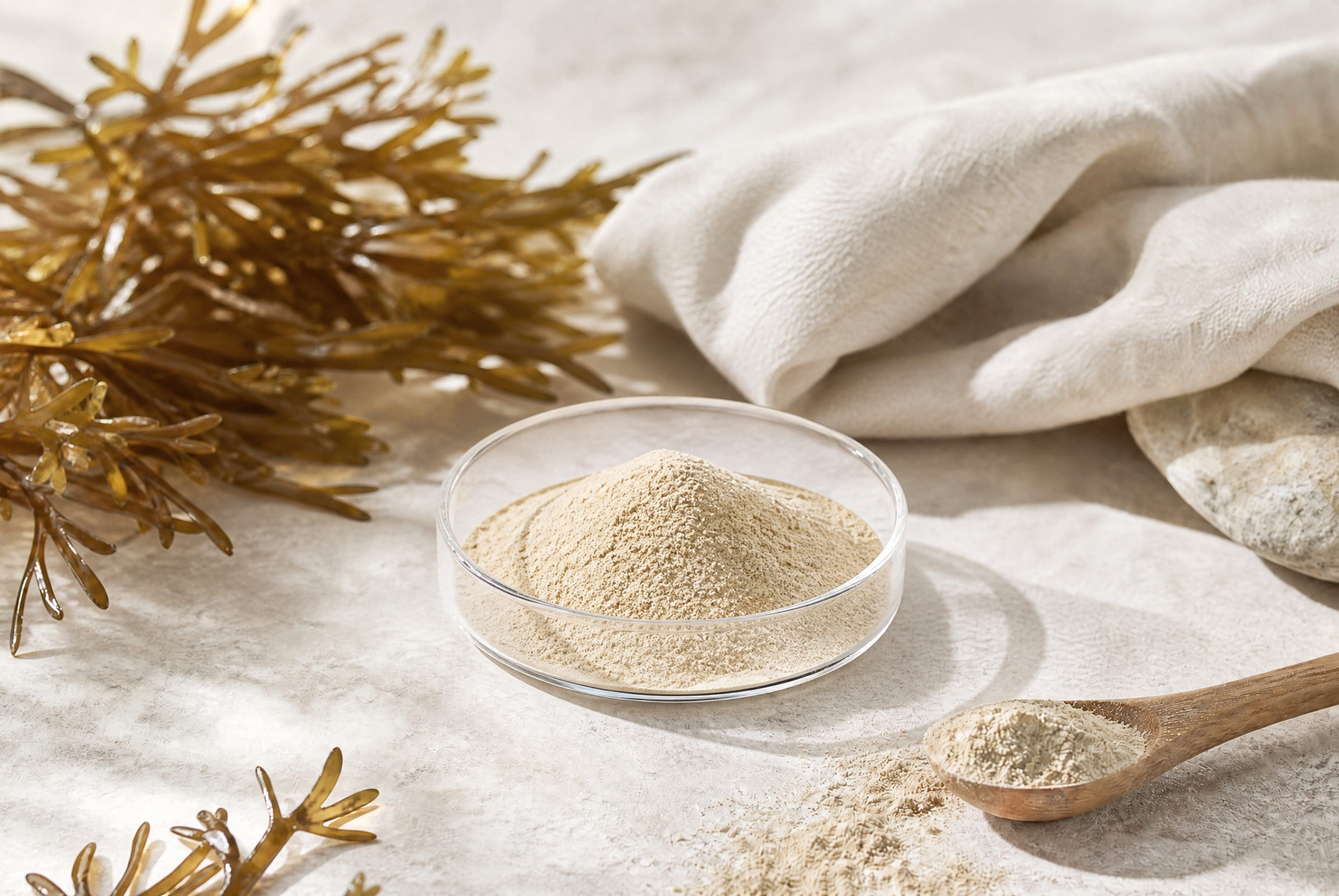 Roughly half of all cancer patients will receive radiation therapy at some point during their treatment. It is powerful, precise, and saves lives — but it also comes with side effects that can be hard on the body, from inflammation and tissue fibrosis to fatigue and gastrointestinal discomfort. Increasingly, oncology teams, nutritionists, and patients are looking at how supportive nutrition can help. And one marine bioactive keeps showing up in the research: low-molecular-weight fucoidan.
 -
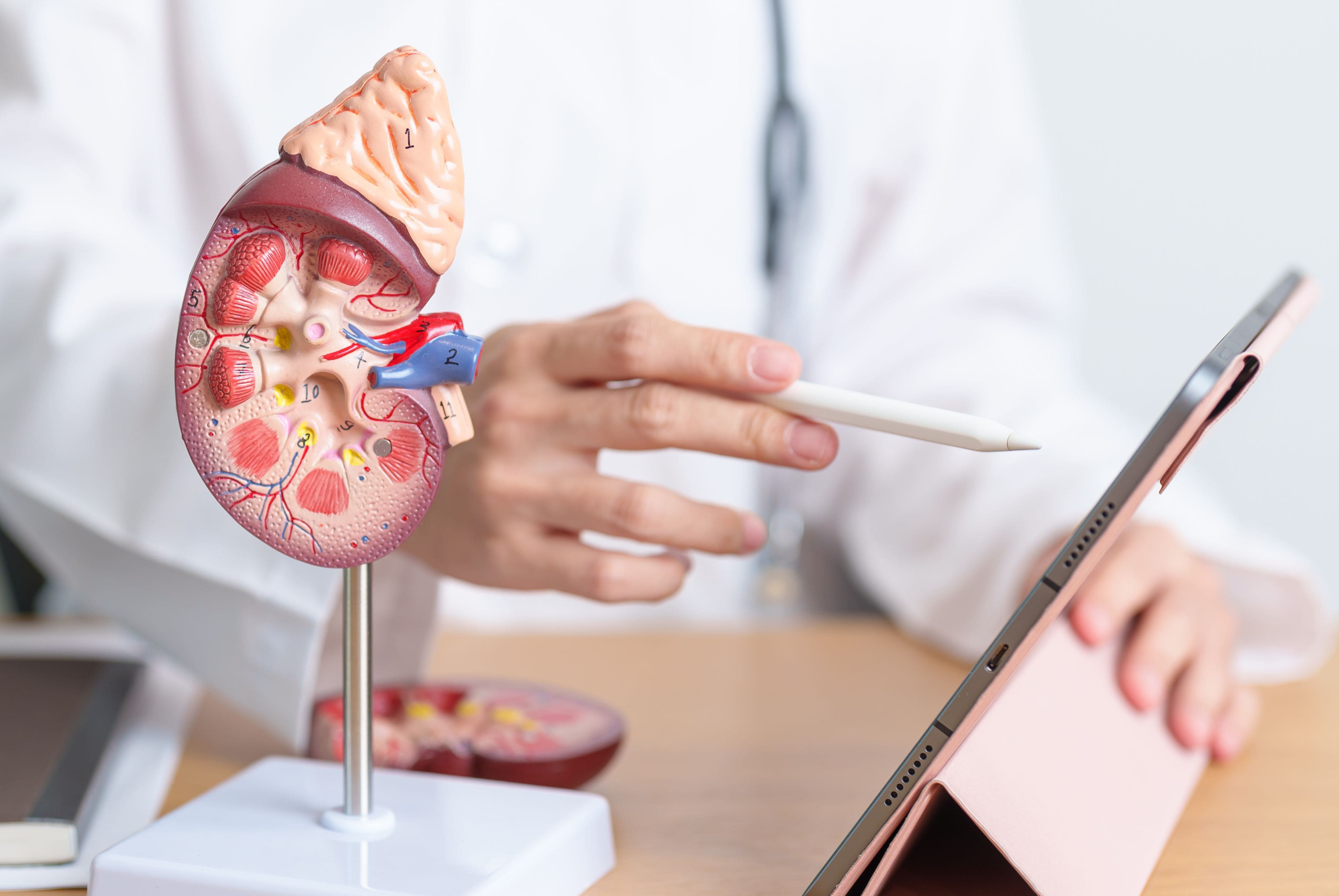
The kidneys serve as the body's essential filtration system, but they are highly susceptible to damage from aging, chronic diseases like diabetes, and acute injuries. Recent research has identified Low-Molecular-Weight Fucoidan (Oligo-Fucoidan) as a powerful natural intervention for protecting renal function. Extracted using advanced enzymatic hydrolysis, this refined extract (averaging <1500 Da) offers superior bioavailability and multi-targeted protection through anti-inflammatory, anti-fibrotic, and anti-oxidative pathways.
-
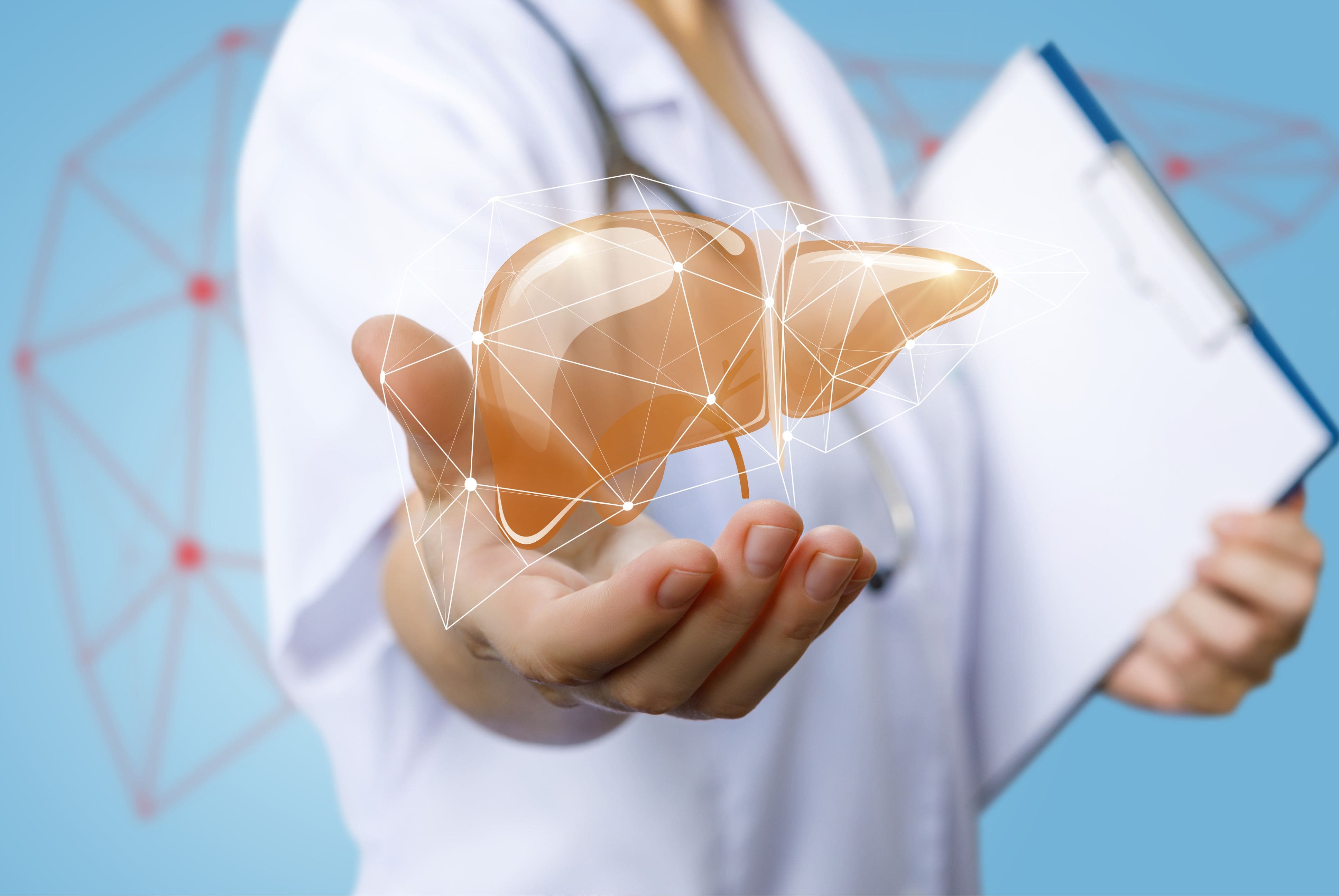
The liver is often called the "silent hero" of the body, working tirelessly to detoxify our blood and manage metabolism. However, when faced with threats like fatty liver, fibrosis, or even liver cancer, the liver needs specialized support. Scientists have discovered a powerful ally from the ocean: Oligo-Fucoidan, a refined extract from brown seaweed that acts as both a "Smart Shield" and a "Repair Switch" for your liver.
Here is how this marine wonder works to protect and restore your liver health:
-
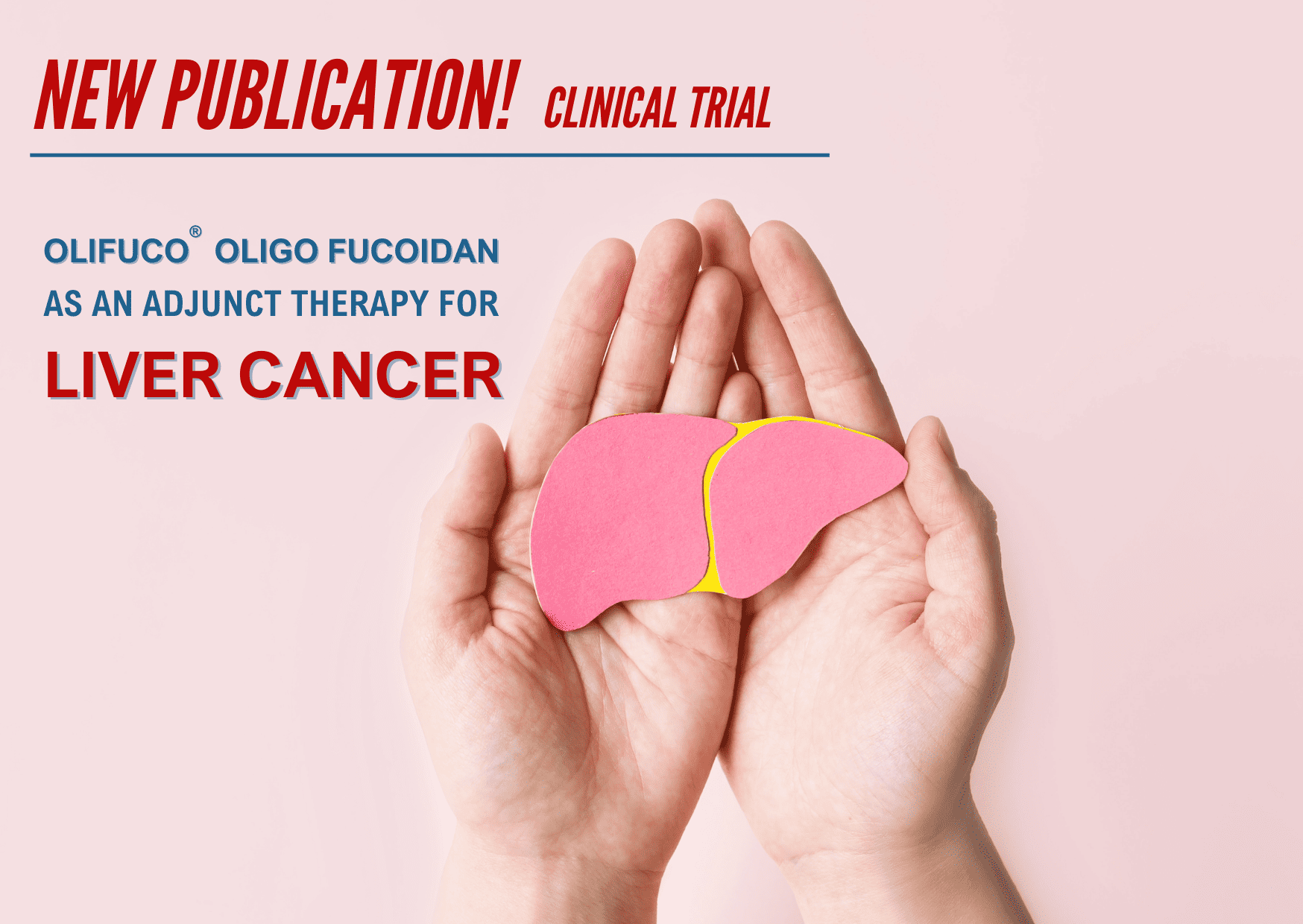
Seaweed Extract Supports Liver Cancer Therapy
Clinical research confirms that low molecular weight fucoidan improves tumor control and protects liver function in hepatocellular carcinoma patients
-
The world of cancer care is changing. Alongside standard treatments like chemotherapy and radiation, many healthcare professionals and patients are now exploring integrative approaches — combining modern medicine with natural compounds that help support the body’s recovery and resilience.
-
 Uterine fibroids are the most common benign tumors in women of reproductive age. While some women have no symptoms, many experience heavy menstrual bleeding, pelvic pain, infertility, or chronic discomfort that severely affects quality of life. Conventional treatments—such as hormonal therapy, myomectomy, or hysterectomy—can be effective but often bring side effects or compromise fertility. This has led researchers to seek safe, natural, and non-hormonal alternatives.
 -
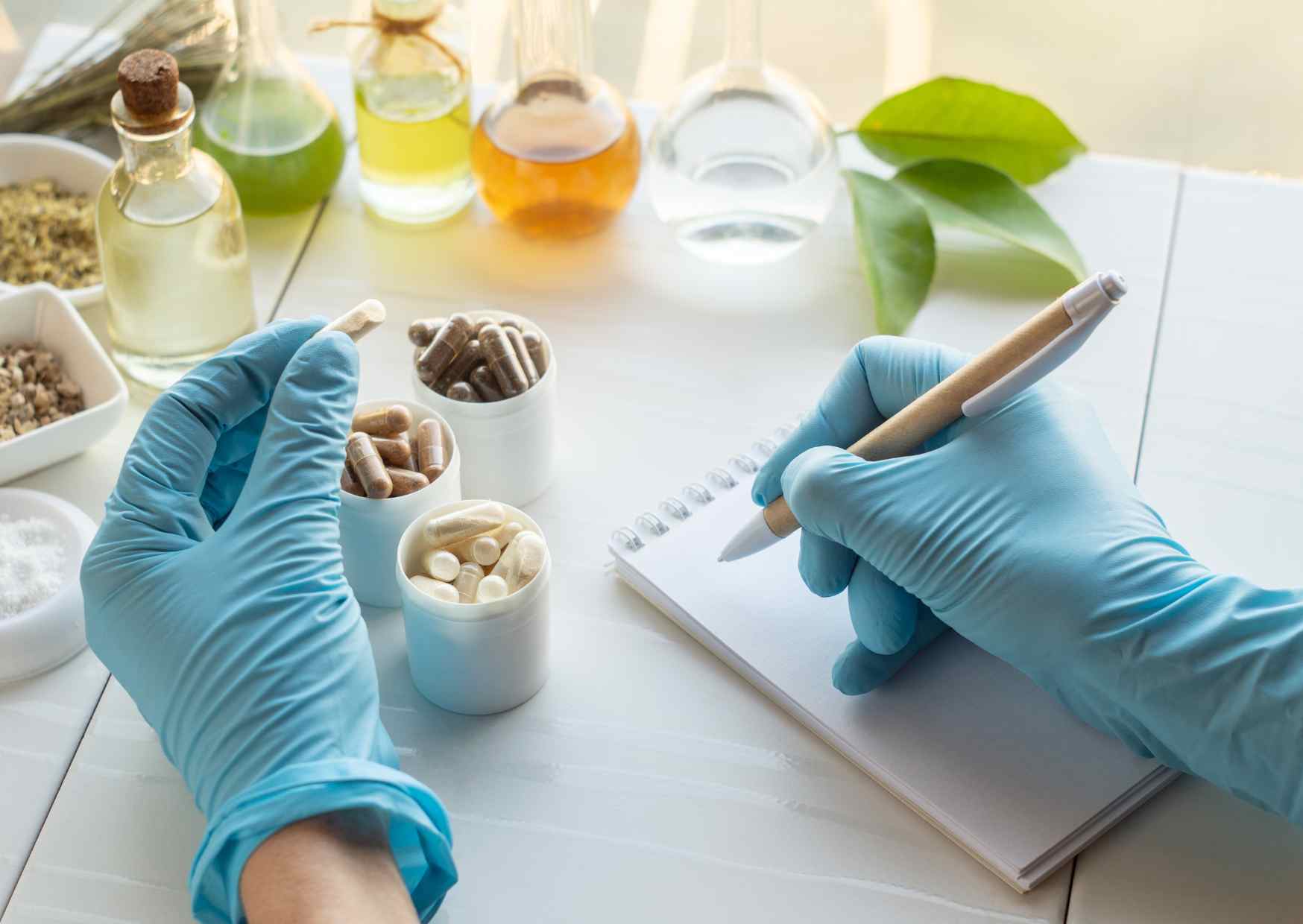 In today’s health-conscious world, the pursuit of cancer prevention has extended beyond lifestyle changes and into the realm of nutritional supplementation. While no supplement can guarantee immunity from cancer, certain natural compounds have shown promising potential in supporting the body’s defenses against cellular damage, inflammation, and oxidative stress—key contributors to cancer development.
 -
 The landscape of cancer therapy has witnessed a steady increase in the use of complementary and alternative medicine (CAM), with dietary supplements like fucoidan gaining considerable popularity, especially in the Asia-Pacific region. Fucoidan, a general term for sulfated and fucosylated polysaccharides found in brown seaweed, was first described in 1913. Over 1400 studies have since explored its diverse biological activities, which include antitumor activity, immunomodulation, anticoagulation, anti-inflammation, and enhancement of chemotherapy efficacy.
 -
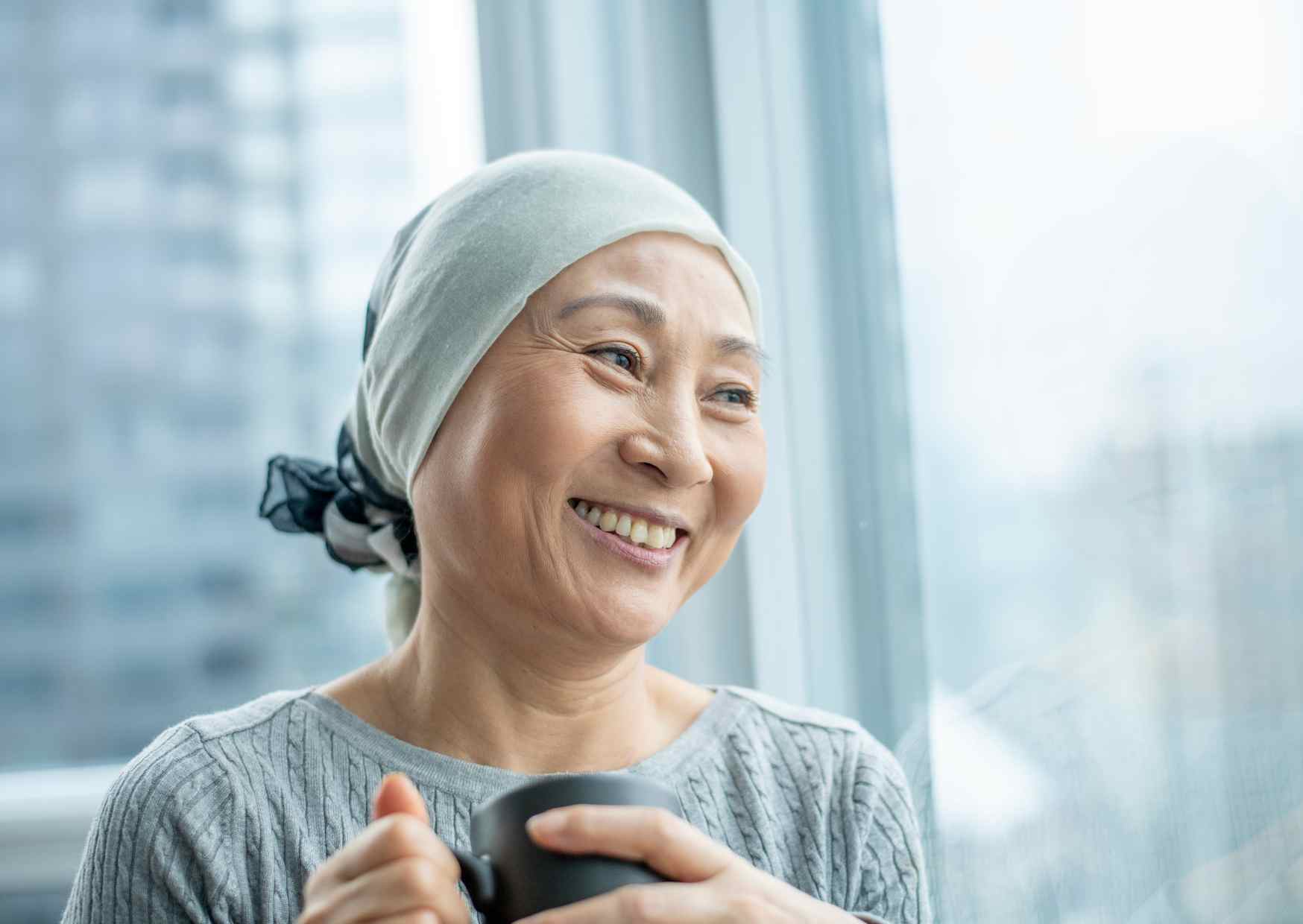 A cancer diagnosis brings many challenges, and nutrition plays a crucial role in supporting the body through treatment and recovery. Proper diet can help manage side effects, maintain strength, and promote healing. Here is a comprehensive guide to preparing and managing food for your loved one at each stage of their cancer journey.
 -
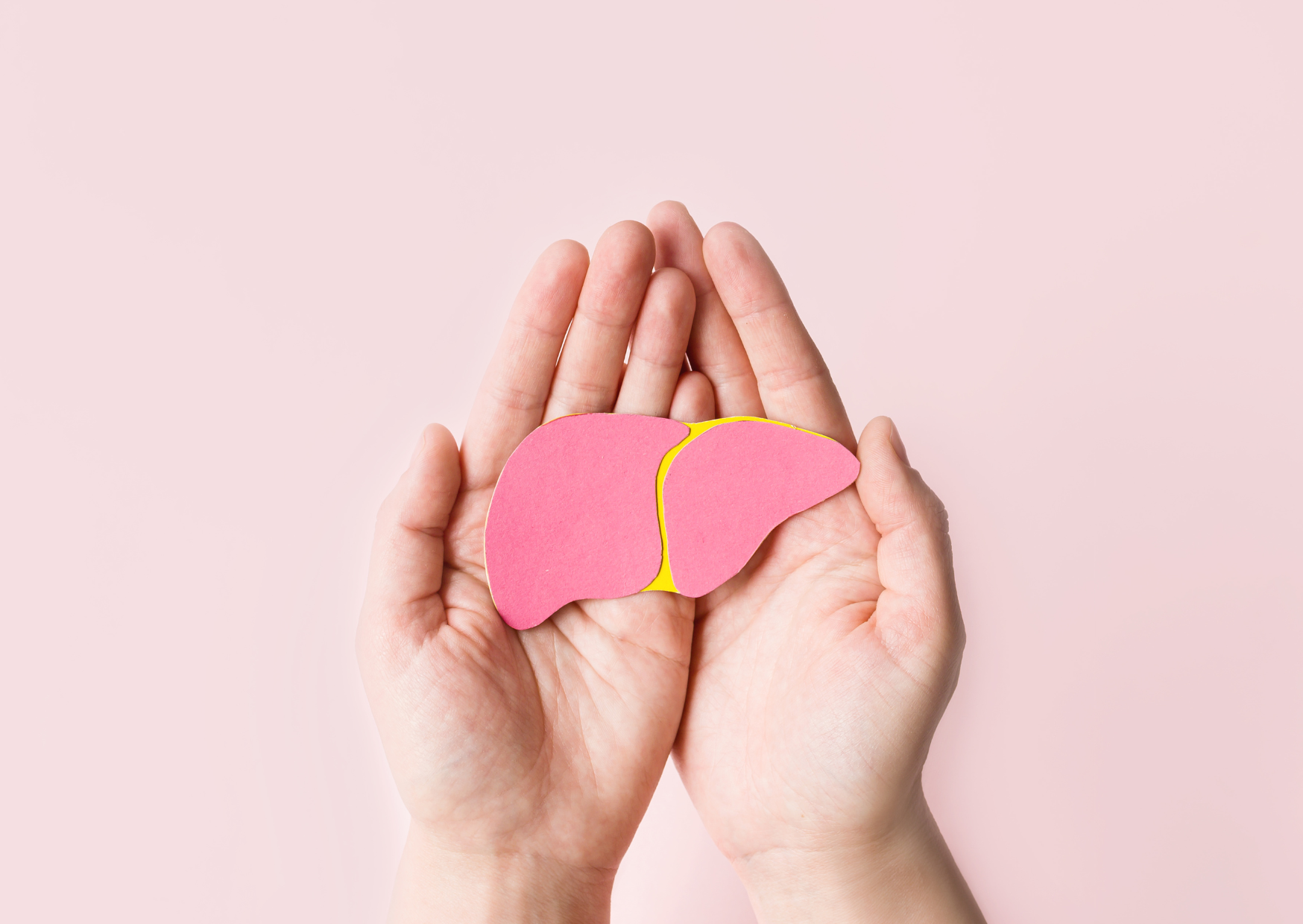 Development as a Supportive Agent in Liver Cancer ManagementFucoidan, a sulfated polysaccharide extracted primarily from brown seaweed species such as Saccharina japonica, has garnered increasing attention for its diverse biological activities, particularly in cancer research. In hepatocellular carcinoma (HCC), the most common form of liver cancer, fucoidan exhibits a range of promising properties including antioxidant activity, immune modulation, and inhibition of tumor proliferation—all with relatively low toxicity. While not intended to replace standard therapies, its role as an adjunctive or supportive agent shows considerable future potential.