The Ocean's Unsung Heroes Are Disappearing — And the World Must Act Now
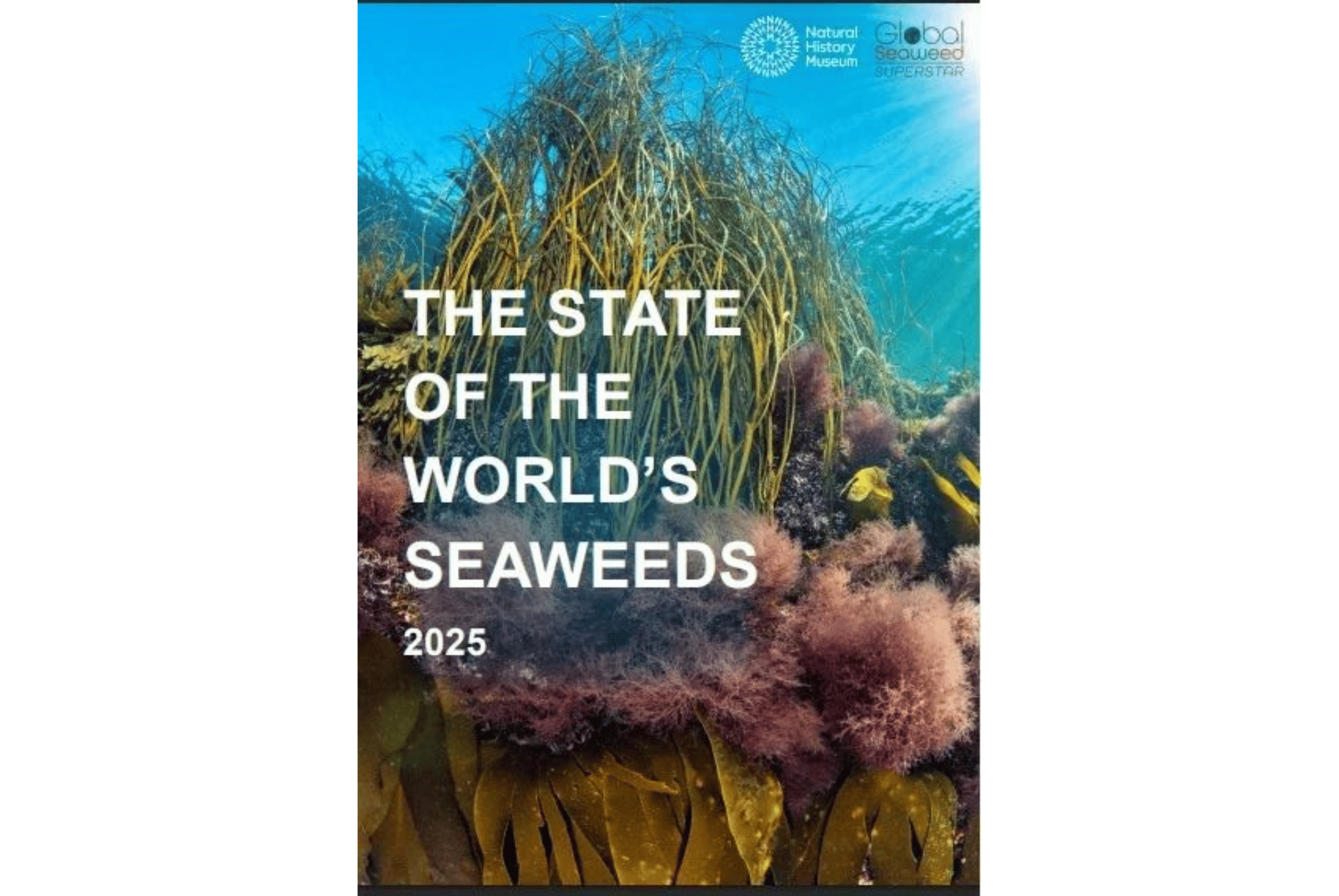
At the 25th
International Seaweed Symposium, leading scientists officially launched
"The State of the World’s Seaweeds 2025," a comprehensive review
highlighting the critical status of the planet’s largest vegetated marine
ecosystems. The report reveals that seaweeds—comprising red, green, and brown
macroalgae—underpin global marine functions but face unprecedented threats from
human activities and the climate crisis.
"Unsung
Heroes" Supporting the Planet
Seaweeds are
estimated to cover 74% of the world's vegetated marine habitats, far exceeding
the area of seagrass meadows, mangroves, or coral reefs. These ecosystems serve
as "unsung heroes," contributing to all 17 of the United Nations
Sustainable Development Goals (SDGs).
The report
underscores their massive environmental and economic impact. Seaweed habitats
are highly productive, with carbon absorption rates comparable to the Amazon
rainforest. Beyond climate regulation, they support commercial fisheries by
providing essential nursery and feeding grounds, securing food security and
millions of livelihoods globally. The global seaweed market is currently valued
at approximately $17 billion, with applications ranging from food and medicine
to bioplastics and biofuels.
A Stark Warning:
Kelp Forests Declining Faster Than Rainforests
Despite their
value, the report issues a dire warning: seaweed habitats are being lost at an
alarming rate. For instance, kelp forests—which make up less than 25% of
seaweed habitats—are declining at an annual rate twice that of coral reefs and
more than four times that of terrestrial rainforests.
Ocean warming is
identified as a primary driver of this decline, causing species to shift
poleward or face local extinction. Additional threats include pollution,
overharvesting, invasive species, and destructive fishing practices like bottom
trawling.
The "Seaweed
Breakthrough": A Call to Action
To combat these
challenges, the report introduces the "Seaweed Breakthrough"
initiative, aligned with the UN’s 2030 Breakthrough Agenda. This global
initiative sets four high-level targets to be achieved by 2030:
-
Halt Loss: Reduce net
seaweed habitat loss driven by direct human actions.
-
Increase Protection: Ensure
long-term protection of seaweed habitats is expanded.
-
Active Restoration: Restore seaweeds
in areas of historical loss wherever possible.
-
Secure Finance: Mobilize
sustainable investment for seaweed conservation and recovery.
"A world
without seaweeds means devastation to the functioning and food security of the
Earth as we know it," stated Professor Juliet Brodie, corresponding author
of the report. "We must act now through scientific innovation and
international cooperation to ensure these seaweed superstars continue to thrive
for the sake of our planet’s future".
Related Hi-Q Products