Fucoidan and Blood Sugar Balance: A Marine Approach to the GLP-1 Era
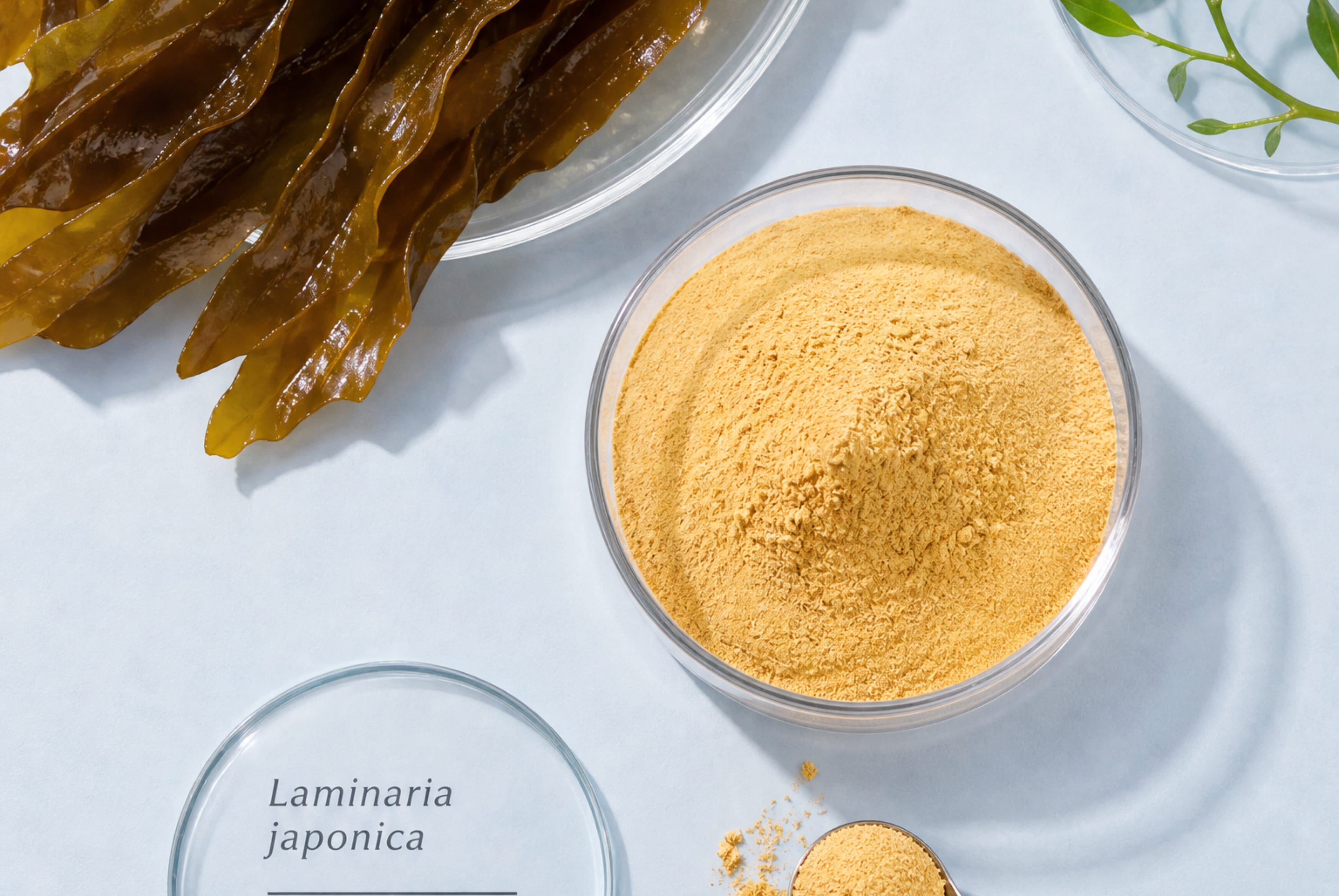
A clinically studied marine ingredient brands are turning to as metabolic health takes center stage.
GLP-1 drugs have rewritten the rules of the metabolic health market — and quietly, they have also opened the door for a new generation of natural, science-backed ingredients. Consumers now expect more than weight loss. They want stable blood sugar, a healthy liver, and long-term metabolic resilience. For B2B formulators, this is where low-molecular-weight (oligo) fucoidan, paired with high-stability fucoxanthin, is starting to stand out.
Why metabolic health is the category to watch
The numbers tell the story. More than 537 million adults globally live with diabetes today, and around 30% of the world's adult population now has some form of fatty liver disease (NAFLD, recently renamed MASLD). The conversation has shifted from "lose weight" to "stay metabolically healthy for life." Brands need ingredients that can support that bigger story — and ideally, work on more than one pathway at a time.
What the research says
Low-molecular-weight fucoidan (around 500–1,500 Daltons) absorbs more efficiently than conventional fucoidan, which is one reason it has become the form of choice in clinical studies. Three findings stand out for metabolic health:
• Pancreatic β-cell support. Chou et al. (2017) showed fucoidan helped protect insulin-producing β-cells via a Sirt-1 pathway — directly relevant to type 2 diabetes prevention.
• Glucose and lipid balance. Huang et al. (2017) found that combining oligo-fucoidan with fucoxanthin improved glucose levels, lipid metabolism, and liver function in a type 2 diabetes mouse model.
• Human clinical evidence. In a double-blind, randomized, placebo-controlled trial at Taipei Medical University–Wan Fang Hospital, 42 NAFLD patients took 1,650 mg of a fucoidan-fucoxanthin combination (FucoBalan®) twice daily for three months. The treatment group saw meaningful improvements — ALT down 85.7%, liver stiffness down 66.7%, insulin resistance down 47.6%, and pancreatic β-cell function up 52.4% (Wu et al., 2019).
Together, these studies point to something formulators rarely get in a single ingredient: a multi-pathway effect across blood sugar, lipids, and liver health — backed by human data.
What this means for B2B formulators
A few reasons this matters right now: oligo-fucoidan works in capsules, gummies, powder sachets, and functional beverages, so you can build it into almost any format. It pairs well with familiar metabolic actives like berberine, chromium, and fiber. And its marine origin gives brands a clean, sustainable story that resonates with younger consumers — without leaning on overworked ingredient narratives.
Why Hi-Q
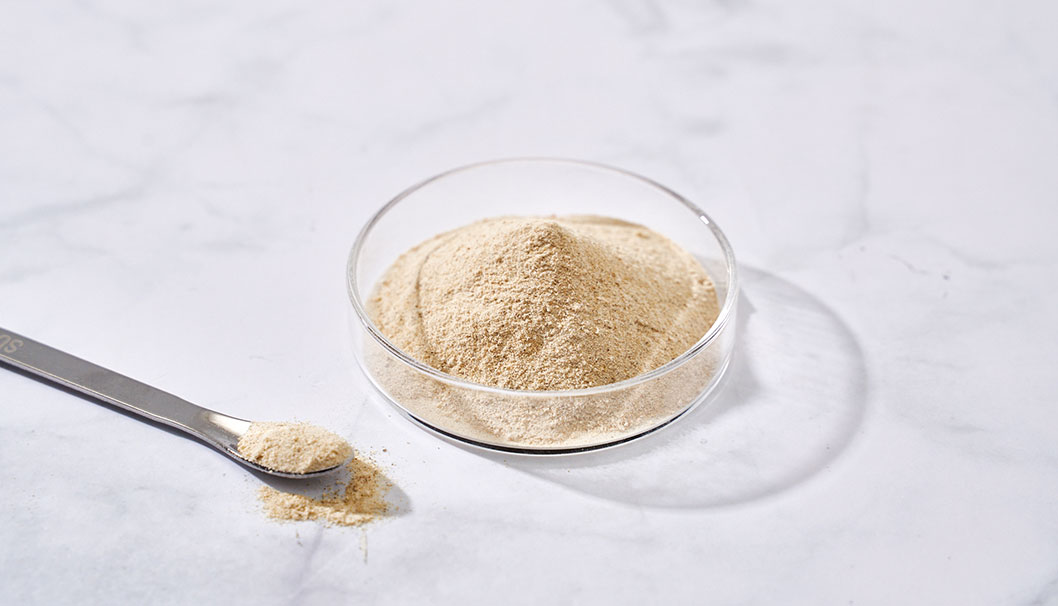
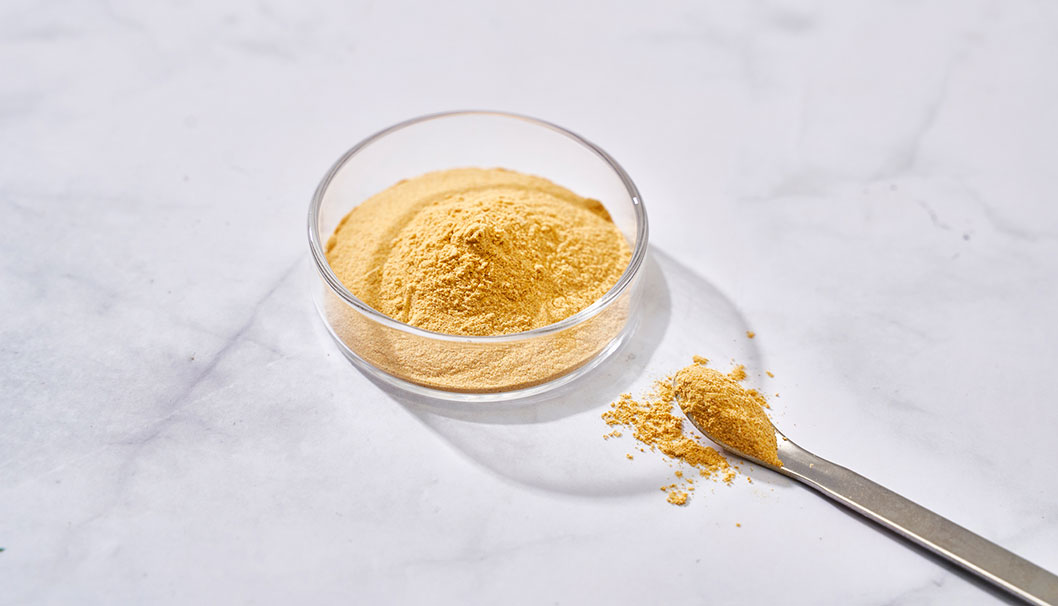
FucoBalan® combines our Oligo Fucoidan (low-molecular weight fucoidan) with high-stability fucoxanthin, both extracted from Laminaria japonica (Saccharina japonica) cultivated in the cold, clean waters of Matsu, Taiwan, and Goheung County, South Korea. It is HALAL certified, produced in ISO 22000 and HACCP facilities, supported by patents, and validated by the human clinical trial described above.
→ Request a FucoBalan® sample | Talk to our B2B team
References
• Chou C-C. et al. (2017). Fucoidan ameliorates pancreatic β-cell death and impaired insulin synthesis in streptozotocin-treated β cells and mice via a Sirt-1-dependent manner.
• Huang P-A. et al. (2017). Effects of Low-Molecular-Weight Fucoidan and High Stability Fucoxanthin on Glucose Homeostasis, Lipid Metabolism, and Liver Function in a Mouse Model of Type II Diabetes. Marine Drugs.
• Wu M-S. et al. (2019). Low-molecular-weight fucoidan and high stability fucoxanthin decrease serum alanine transaminase in patients with non-alcoholic fatty liver disease — A double-blind, randomized controlled trial.
• Wu M-S. et al. (2021). Low-molecular-weight fucoidan and high-stability fucoxanthin attenuate hepatic steatosis and non-alcoholic steatohepatitis via modulation of the leptin–adiponectin axis.
Related Hi-Q Products