Fucoidan Is Becoming the Must-Have Ingredient for Longevity Formulas

There's a shift happening in the longevity aisle, and it isn't just about living longer anymore — it's about living well while you do it. Walk the halls of any nutraceutical trade show this year and you'll hear the same phrase again and again: immune resilience. Not immune "boosting," which always sounded a little like flooring the gas pedal. Resilience — the ability to bend without breaking, to recover quickly, to stay steady under stress. It's a more honest way to talk about what aging bodies actually need, and it's reshaping what formulators reach for.
Fucoidan, the sulfated polysaccharide found in brown seaweed, has quietly earned its place in that conversation. It isn't a new discovery — Japanese and Korean researchers have been studying it for decades — but the research base has matured in a way that fits exactly where longevity formulation is heading. Rather than chasing a single flashy biomarker, formulators today are stacking actives that support several aging pathways at once: immune modulation, oxidative stress, metabolic balance. Fucoidan sits comfortably at that intersection, and low molecular weight forms in particular — more bioavailable, easier to formulate into capsules, powders, or functional beverages — are becoming a preferred building block.
What makes it interesting from a science standpoint is how fucoidan engages the immune system without overstimulating it. Its role in supporting natural killer cell activity and modulating inflammatory signaling has been documented across a growing body of clinical and preclinical work, which is precisely the kind of adaptive mechanism that resonates with today's more sophisticated, ingredient-literate consumer. They've moved past wanting a magic bullet. They want to understand why something works, and they reward brands that can explain it simply — a good fit for the gut-immune axis conversation now running through personalized nutrition more broadly.
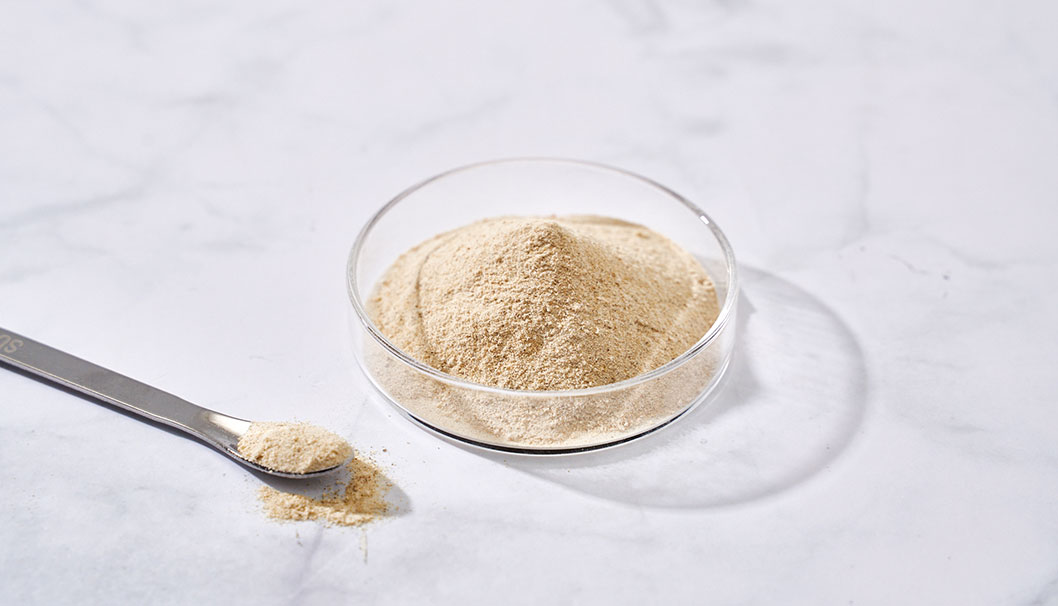
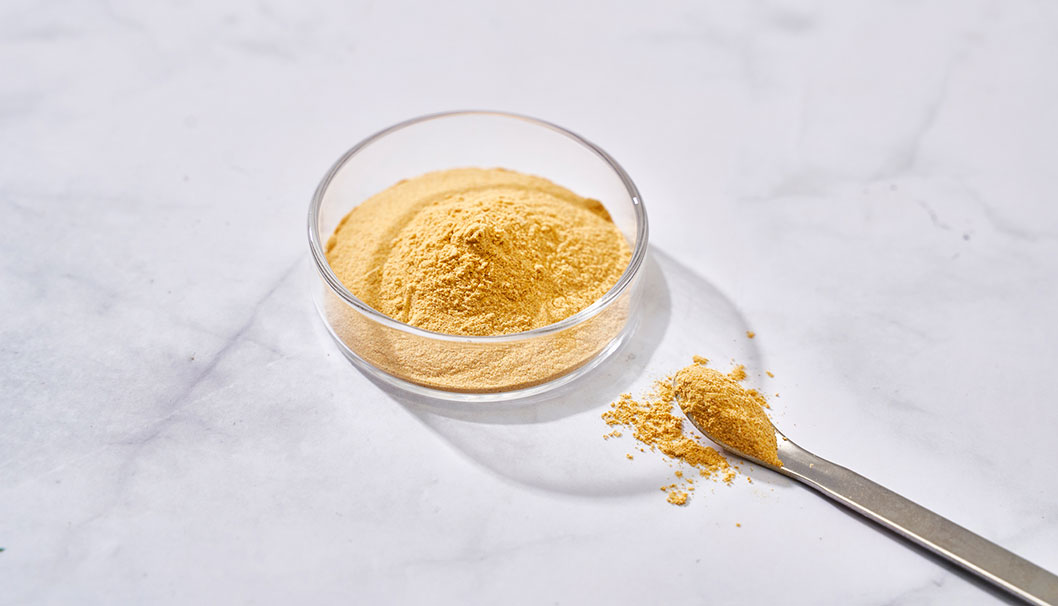
There's also a sourcing story longevity brands are learning to tell well. Deep, cold ocean waters produce brown seaweed with a different mineral and polysaccharide profile than warmer coastal growth, which is part of why traceability and extraction method matter so much when sourcing fucoidan today. Low molecular weight oligo-fucoidan — the category behind ingredients like OliFuco® — standardized and backed by published research, gives brands something increasingly rare in the wellness aisle: a story that holds up to scrutiny.
For the formulators building tomorrow's longevity stacks, the question isn't whether marine bioactives belong in the conversation anymore. It's which ones can prove it. Fucoidan, with its decades of accumulating science and its natural fit with the immune-resilience narrative, has made its case.
Why Hi-Q
Hi-Q's Oligo Fucoidan is extracted from Laminaria japonica (Saccharina japonica) sustainably cultivated in the cold, clean coastal waters of Matsu, Taiwan and Goheung County, South Korea. The low-temperature aqueous extraction process preserves bioactive integrity without organic solvents. All products are produced in ISO 22000 and HACCP-certified facilities and are HALAL certified.above.
→ Request a OliFuco® sample | Talk to our B2B team
References
- Nutraceuticals World — "Immune Resilience and Personalized Nutrition: Jeffrey Bland on Healthy Aging Today and Tomorrow" (homepage feature, accessed Sept 2026): https://www.nutraceuticalsworld.com/
- Nutrition Insight — "Vitafoods Asia 2026: Microbiome, longevity & fun formats reshape nutraceuticals": https://www.nutritioninsight.com/
- Nutrition Insight — "Sabinsa targets dose load as formulators stack longevity actives": https://www.nutritioninsight.com/
- PubMed search — fucoidan, immune modulation, natural killer cell activity (background science on mechanism): https://pubmed.ncbi.nlm.nih.gov/?term=fucoidan+natural+killer+cell+immune+modulation
Related Hi-Q Products