Low Molecular Weight Fucoidan Enhances Liver Cancer Treatment
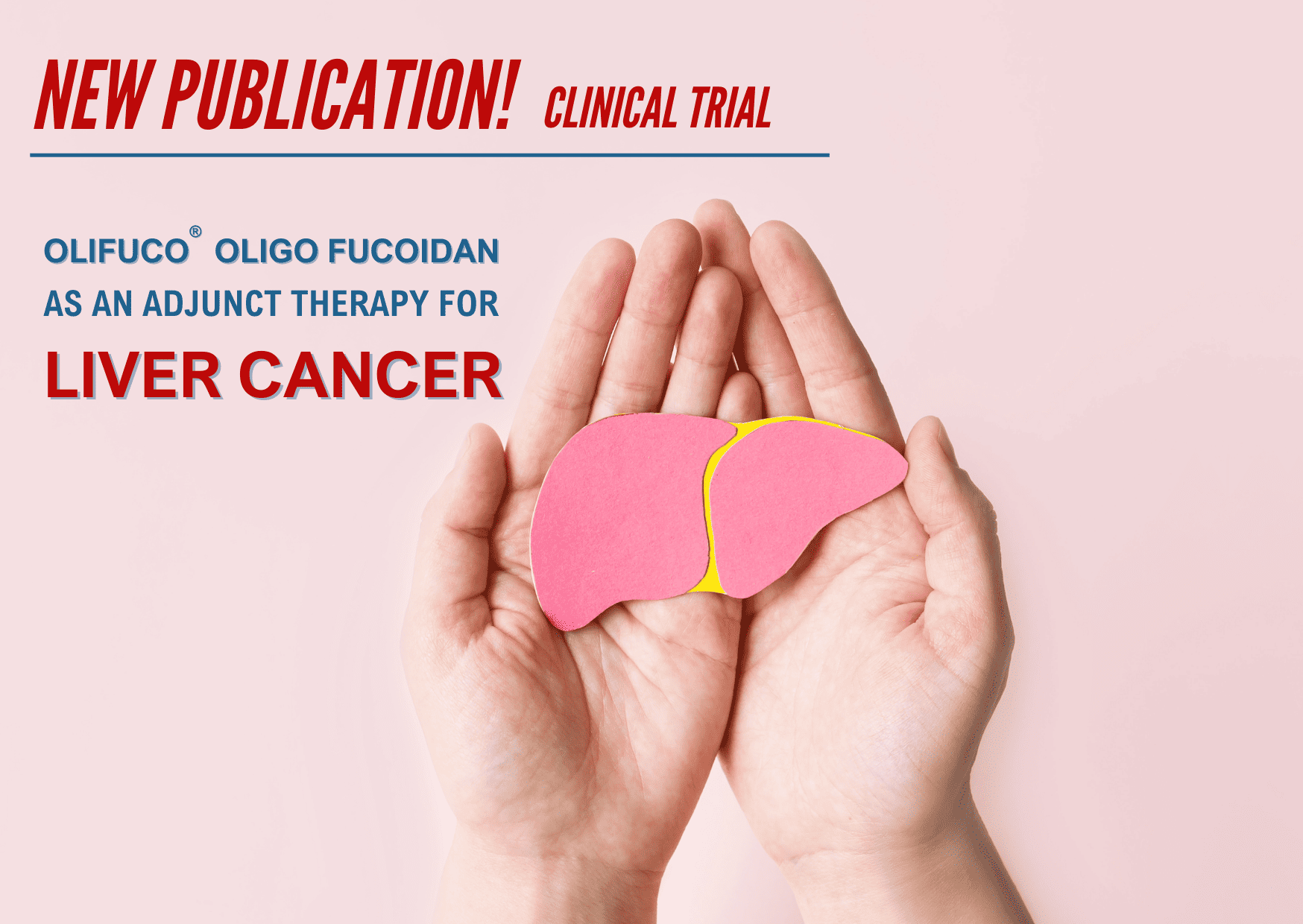
Seaweed Extract Supports
Liver Cancer Therapy
Clinical research confirms that low molecular
weight fucoidan improves tumor control and protects liver function in
hepatocellular carcinoma patients
Liver cancer, medically known
as hepatocellular carcinoma (HCC), is one of the leading causes of
cancer-related death worldwide, with particularly high prevalence in Asia. For
patients who are not eligible for surgical resection, Transarterial
Chemoembolization (TACE) is currently the standard treatment option.
While TACE can extend survival, it is often
associated with high recurrence rates and liver toxicity, as the
procedure may damage healthy liver cells and impair liver function. These
limitations highlight the urgent need for effective adjunct therapies for
liver cancer.
Recent clinical research suggests that low
molecular weight fucoidan, a natural compound extracted from brown
seaweed, may serve as a powerful complementary therapy for patients
undergoing TACE.
Key Research Findings:
How Does Low Molecular Weight Fucoidan Help?
Published in the authoritative medical
journal Liver International, this randomized, double-blind
clinical trial involved 82 patients with unresectable hepatocellular
carcinoma.
During TACE treatment, patients were randomly
assigned to receive either:
- 4.4 grams of low molecular weight fucoidan (LMF) daily, or
- A placebo
The supplementation period lasted six
months.
1. Significantly Improved
Tumor Control Rate
The study demonstrated that patients
receiving LMF achieved a disease control rate (DCR) of 95.24%,
significantly higher than the 80.00% observed in the placebo group.
Importantly, tumor progression occurred in
only 4.76% of patients in the LMF group, compared to 20.00% in the
placebo group, indicating that low molecular weight fucoidan helps
stabilize liver tumors and reduce disease progression.
2. Effective Protection
of Liver Function
One of the most common complications of TACE
is deterioration of liver function, which can prevent patients from
continuing further cancer treatment.
- 80.95% of patients in the LMF group maintained good liver function
(Child-Pugh Class A)
- In contrast, only 62.50% of patients in the placebo group
preserved adequate liver function, with more patients experiencing
functional decline
These results suggest that LMF
supplementation supports liver health during cancer treatment.
Why Is Low Molecular
Weight Fucoidan Effective? Is It Safe?
Researchers believe that low molecular
weight fucoidan possesses multiple biological properties, including:
- Anti-inflammatory effects
- Antioxidant activity
- Anti-angiogenic properties
- Immune modulation
By reducing oxidative stress and suppressing
inflammatory cytokines, LMF helps protect liver cells from treatment-induced
damage.
In terms of safety, the study
confirmed that LMF is well tolerated. No serious adverse events were
reported, and the incidence of side effects was comparable to that of the
placebo group. This indicates that low molecular weight fucoidan does not
increase physical burden or treatment risk.
Conclusion: A Promising
Adjunct Therapy for Liver Cancer
This study provides the first clinical
evidence that low molecular weight fucoidan (LMF) can serve as an
effective adjunct treatment for TACE in liver cancer patients.
By improving tumor control, preserving
liver function, and maintaining patient strength for continued therapy, LMF
represents a promising new option in integrative liver cancer care.
For patients undergoing interventional
treatments such as TACE, this research offers new hope and scientific
support for complementary nutritional strategies.
Disclaimer:
This article is based on academic research published in 2025 and is intended
for informational purposes only. It does not replace professional medical
advice. Patients should always consult qualified healthcare professionals for
diagnosis and treatment decisions.
Reference:
https://pmc.ncbi.nlm.nih.gov/articles/PMC12442522/
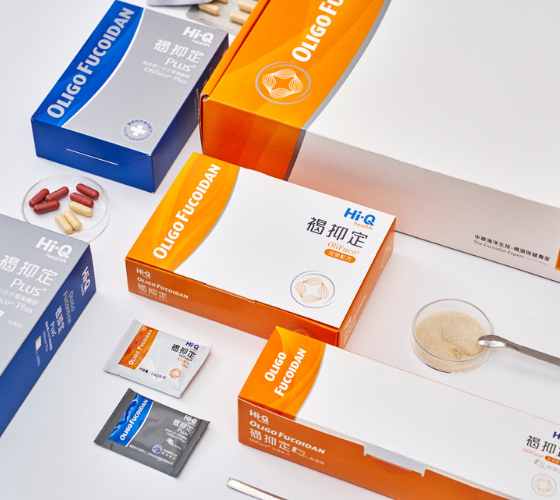
Related Hi-Q Products