The Marine Science Behind Skin Barrier Strength, Deep Hydration
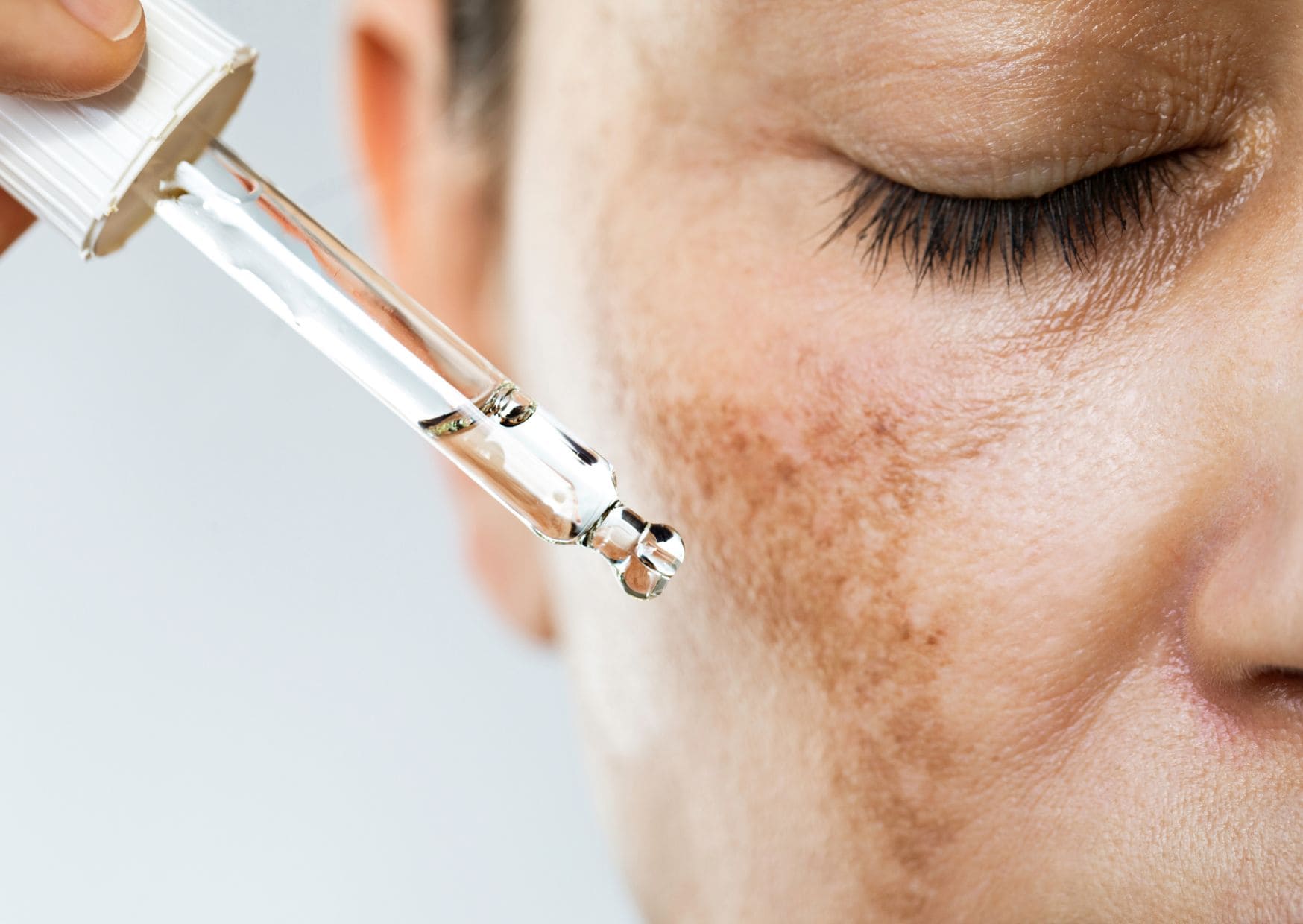
Surface moisturizers can only go so far. FucoSkin® works at the level where skin hydration is actually decided.
The global skincare market spends enormous energy on hydration — and yet, many of the most popular moisturizing actives are doing surface-level work. They sit on the stratum corneum, temporarily smooth the appearance of dryness, and then wash off. Meanwhile, the underlying mechanism that governs whether skin stays hydrated — the integrity of the skin barrier — continues to be degraded by UV exposure, pollution, air conditioning, low humidity, and normal biological aging. Formulators who want to address this at the source are increasingly looking to marine-derived actives. FucoSkin®, Hi-Q's cosmetic-grade fucoidan ingredient, is one of the most scientifically grounded options available.
How the skin barrier really works
The skin barrier — technically the stratum corneum and the tight junction network beneath it — is the body's primary interface with the environment. It does two jobs simultaneously: keep moisture in and keep irritants, pathogens, and pollutants out. When it is intact, skin looks plump, smooth, and resilient. When it is compromised, water transepidermal loss (TEWL) increases, sensitivity spikes, and the appearance of dryness and fine lines accelerates.
Maintaining barrier integrity requires a healthy balance of structural lipids (ceramides, fatty acids, cholesterol), natural moisturizing factors (NMFs), and functional tight junction proteins. This is where fucoidan's mechanism is distinctive.
What FucoSkin® brings to the formula
Fucoidan is a naturally sulfated polysaccharide — its anionic character gives it a strong affinity for water. But FucoSkin® is not simply a hygroscopic humectant. Research on fucoidan in skin applications points to several active mechanisms:
● Barrier reinforcement. Fucoidan has been shown to support the expression of tight junction proteins and promote keratinocyte differentiation — the biological process through which skin cells mature and build the structural integrity of the barrier.
● Anti-inflammatory activity. Barrier disruption triggers an inflammatory response, which in turn drives further barrier damage — a cycle that fucoidan's anti-inflammatory properties may help interrupt. This is especially relevant for sensitive and reactive skin types.
● Antioxidant defense. Oxidative stress from UV and environmental exposure is a primary driver of barrier degradation. Fucoidan's antioxidant activity provides an additional layer of protection at the cellular level.
● Moisture retention. In clinical testing of FucoSkin® — involving 25 women aged 30–60 (Asian skin type), with follow-up trials on Caucasian and Hispanic skin types — 7-day results showed measurable improvements in skin hydration and reduction in TEWL, supporting the ingredient's efficacy across diverse skin profiles.
The summer skin case
Summer conditions create a perfect storm for barrier disruption: UV radiation accelerates cell turnover and lipid oxidation; air conditioning strips ambient humidity; salt water and chlorine disrupt the NMF layer; and heat drives sweat that further dilutes the skin's acid mantle. FucoSkin® is well-suited to summer-focused formulations — serums, after-sun products, lightweight moisturizers — where lightweight hydration with genuine barrier support is the brief.
Why Hi-Q
FucoSkin® fucoidan extract is produced under Cosmetic GMP (ISO 22716) standards and carries an ISO 16128 Derived Natural certification, confirming its natural-origin status for clean-beauty positioning. It is Halal certified and extracted using Hi-Q's green-technology aqueous process — no organic solvents, no harsh chemicals. The Laminaria japonica source material is sustainably cultivated in Matsu, Taiwan and Goheung County, South Korea. FucoSkin® is available in formats compatible with a range of cosmetic applications, including serums, creams, and sheet mask essences.
→ Request a FucoSkin® sample | Talk to our B2B team
References
Majtan, J. et al. (2011). Fucoidan is a potent inducer of hyaluronic acid synthesis. Phytotherapy Research, 25(6), 926–931.
Senni, K. et al. (2006). Marine polysaccharides: a source of bioactive molecules for cell therapy. Current Pharmaceutical Design, 12(3), 271–280.
*This article is for informational and B2B educational purposes only and does not constitute medical advice. These statements have not been evaluated by the FDA. This product is not intended to diagnose, treat, cure, or prevent any disease.
Related Hi-Q Products