Cold Process, Clear Difference: The Science of How Hi-Q Extracts Fucoidan
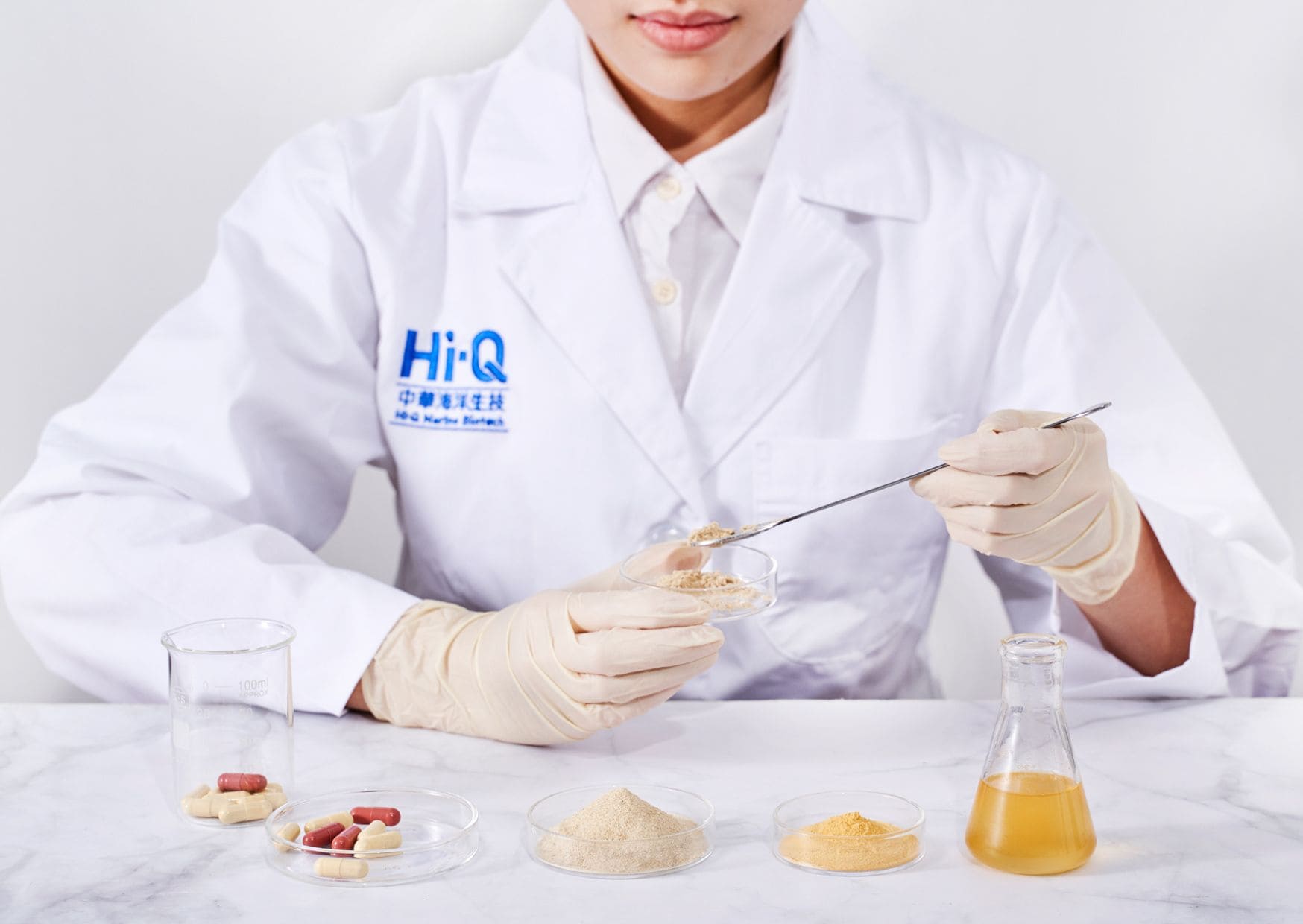
What happens between ocean and ingredient matters more than most labels admit — and extraction science is where quality is made or lost.
Pick up almost any fucoidan supplement and the label will tell you the source species and maybe the dosage. What it almost never tells you is how the fucoidan was extracted — which is, arguably, the most important quality variable of all. The extraction process determines the molecular weight of the fucoidan, its purity, its bioactivity, and whether the finished ingredient carries any solvent residues. For B2B formulators and brands who want to make evidence-based claims, extraction science is not a manufacturing footnote. It is the whole story.
Why extraction method changes everything
Fucoidan is a complex sulfated polysaccharide found in the cell walls of brown seaweed. In its native state inside the seaweed, it is large, structurally intricate, and not particularly well absorbed when ingested. The challenge for ingredient manufacturers is extracting it in a form that retains its bioactivity while being digestible and absorbable — which is where molecular weight becomes critical.
High-molecular-weight fucoidan (above ~10,000 Daltons) has limited bioavailability because its large molecular structure resists absorption across the gut wall. Low-molecular-weight fucoidan — what Hi-Q calls Oligo Fucoidan, at <1500 Daltons — is able to pass through intestinal tissue more efficiently, which is why it is the form featured in the most rigorous clinical research.
Achieving that <1500 Da molecular weight without degrading the sulfation pattern, bioactive structure, or purity of the fucoidan requires a precise, controlled extraction process.
What makes Hi-Q's approach different
Many seaweed extraction operations use acid or alkali hydrolysis — chemical processes that are fast and scalable but that can damage the structural integrity of polysaccharides, strip sulfate groups, and introduce chemical residues into the final product. Others use high-temperature processing, which similarly risks degrading thermally sensitive bioactive compounds.
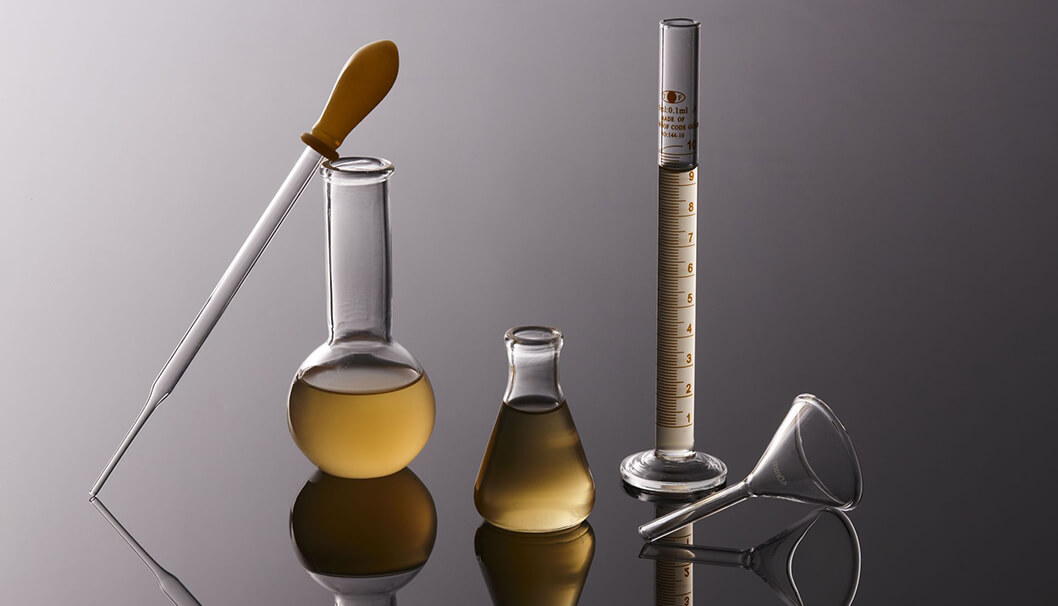
Hi-Q uses a low-temperature aqueous extraction process: water-based, solvent-free, and conducted at temperatures designed to preserve the fucoidan's native molecular architecture. The result is an ingredient that is:
● Free from organic solvent residues (supporting Halal certification and clean-label positioning)
● Structurally intact — the sulfation pattern that drives fucoidan's bioactivity is preserved
● Precisely controlled in molecular weight at <1500 Daltons — the range validated across 70+ peer-reviewed publications
● Consistent batch-to-batch, because the process is industrially scaled and quality-controlled
From seaweed to ingredient: the chain of custody
Extraction quality starts long before the extraction vessel. Hi-Q's Laminaria japonica (Saccharina japonica) is sustainably cultivated in the cold, low-pollution coastal waters of Matsu, Taiwan and Goheung County, South Korea — two of the most well-regarded seaweed cultivation regions in East Asia. Cold water slows biological growth in a way that concentrates polysaccharides; low industrial activity in both areas means minimal heavy metal and microplastic contamination risk.
From cultivation through harvest, transport, extraction, and packaging, every step is carried out under ISO 22000 and HACCP-certified systems. The finished ingredient is Halal certified and tested for heavy metals, microbial load, and molecular weight distribution before release.
Why this matters to you
For B2B partners, extraction science translates directly into commercial value. An ingredient with validated molecular weight, documented extraction method, and third-party certifications is an ingredient you can stake a label claim on. Brands can reference the 70+ peer-reviewed publications with confidence, knowing that the product behind those studies shares the same extraction method and molecular weight profile as what they are formulating with.
The next time a supplier sends you a fucoidan sample, the question worth asking is not just "what species?" but "what extraction process, what molecular weight, and what evidence supports the claim?" The answer tells you more than the label ever will.
→ Learn about Oligo Fucoidan | Talk to our B2B team
Reference
Ale, M.T. & Meyer, A.S. (2013). Fucoidans from brown seaweeds: an update on structures, extraction techniques and use of enzymes as tools for structural elucidation. RSC Advances, 3(22), 8131–8141.
Mak, W. et al. (2013). Fucoidans from Sargassum: extraction, characterization, and in vitro biological activity. Journal of Applied Phycology, 25, 1819–1829.
*This article is for informational and B2B educational purposes only and does not constitute medical advice. These statements have not been evaluated by the FDA. This product is not intended to diagnose, treat, cure, or prevent any disease.
Related Hi-Q Products