
Why Is My Dog Always Scratching? A Vet's Guide to Daily Skin Care | Leon Animal Hospital

If your dog has recently been showing off its
“invisible kicks,” scratching non-stop, it’s natural for pet parents to worry.
What’s really going on?
There are many possible causes of itching in
dogs, including allergic dermatitis, atopic dermatitis, and even psychogenic
alopecia. To make a clear diagnosis, you’ll need the expertise of an
experienced veterinarian.
But what can pet parents do at home to help
with daily skin care? Let’s hear from Dr. Chen, Director of Leon Animal
Hospital.
1. Why Do Dogs Scratch So
Often? Is It Always Atopic Dermatitis?
Scratching can be triggered by allergic
dermatitis caused by food or flea bites, or by environmental allergens such as
pollen and dust. These irritants often lead to itching, which is one of the
most noticeable symptoms of skin disease in dogs.
Atopic dermatitis, on the other hand, is a
genetic condition in dogs with sensitive constitutions. When their skin comes
into contact with allergens like dust mites, mold spores, or pollen, they
develop allergic reactions. This disease tends to recur, causing persistent
itching and discomfort, leading dogs to scratch frequently.
Other immune-mediated skin conditions can
also cause itching. Psychogenic alopecia, more common in cats, may lead to
excessive scratching or even chewing of fur.
So, scratching is a common symptom of many
skin diseases—it doesn’t necessarily mean atopic dermatitis. A proper diagnosis
requires a veterinarian’s examination.
2. When Should You Take
Your Dog to the Vet?
Seek veterinary care if you notice:
- Dull coat, excessive hair loss
- Redness, rashes, scabs, discharge, pustules, or other lesions
- Persistent itching, licking, chewing, or rubbing of the skin
Also pay attention to your pet’s overall
energy and appetite, and consider environmental or psychological factors that
may cause discomfort and lead to psychogenic alopecia.
Dogs with seborrheic dermatitis or fungal/yeast infections often develop a strong odor. These conditions require prompt treatment to prevent worsening.
3. How to Care for Your
Dog’s Skin Daily
Pet parents can:
- Avoid feeding foods with allergens
- Use air purifiers and dehumidifiers to reduce dust mites, mold, and
fleas
- Regularly clean and disinfect the home, including dog beds and toys,
and expose them to sunlight to kill bacteria and fungi
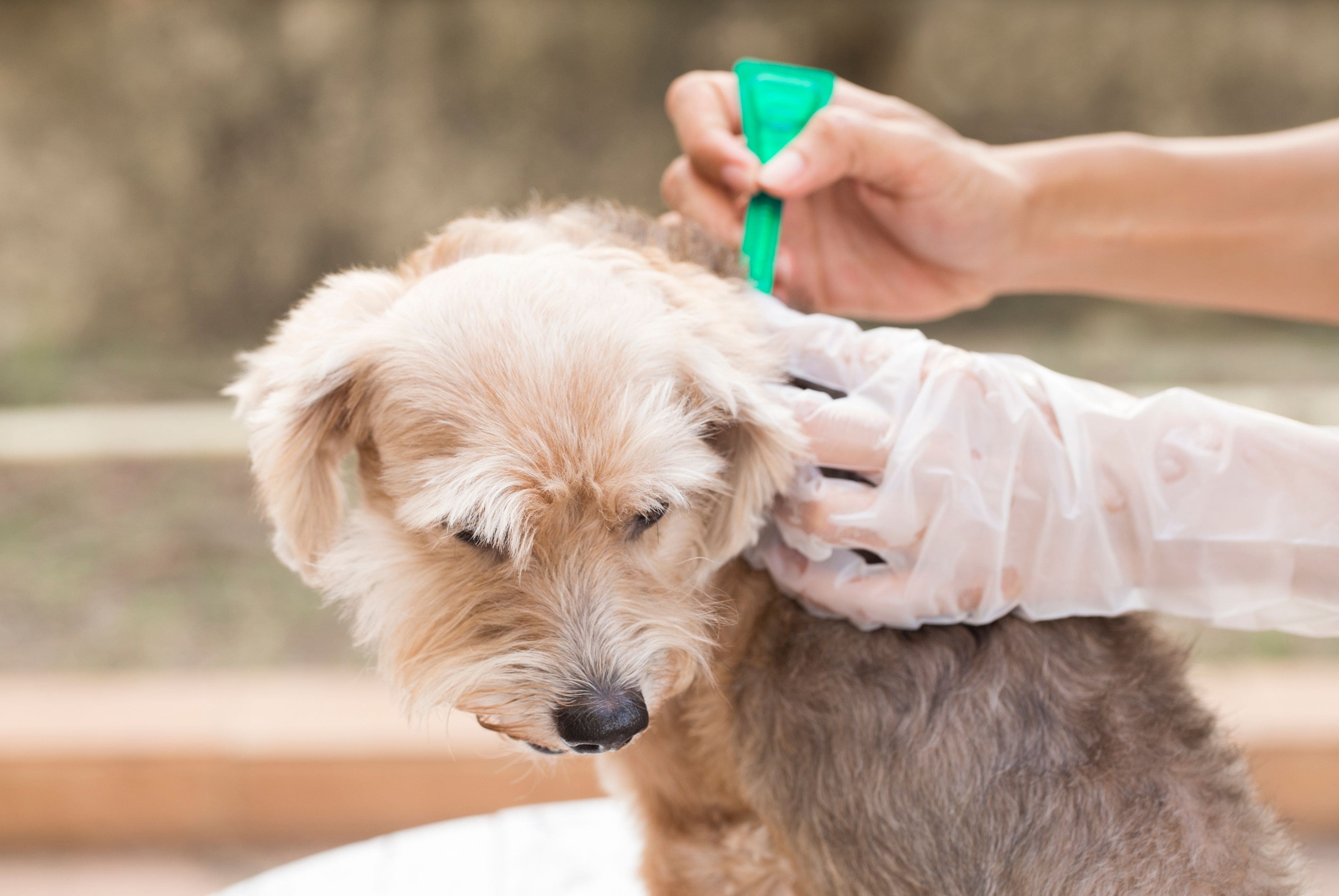
- Use external parasite preventatives on schedule
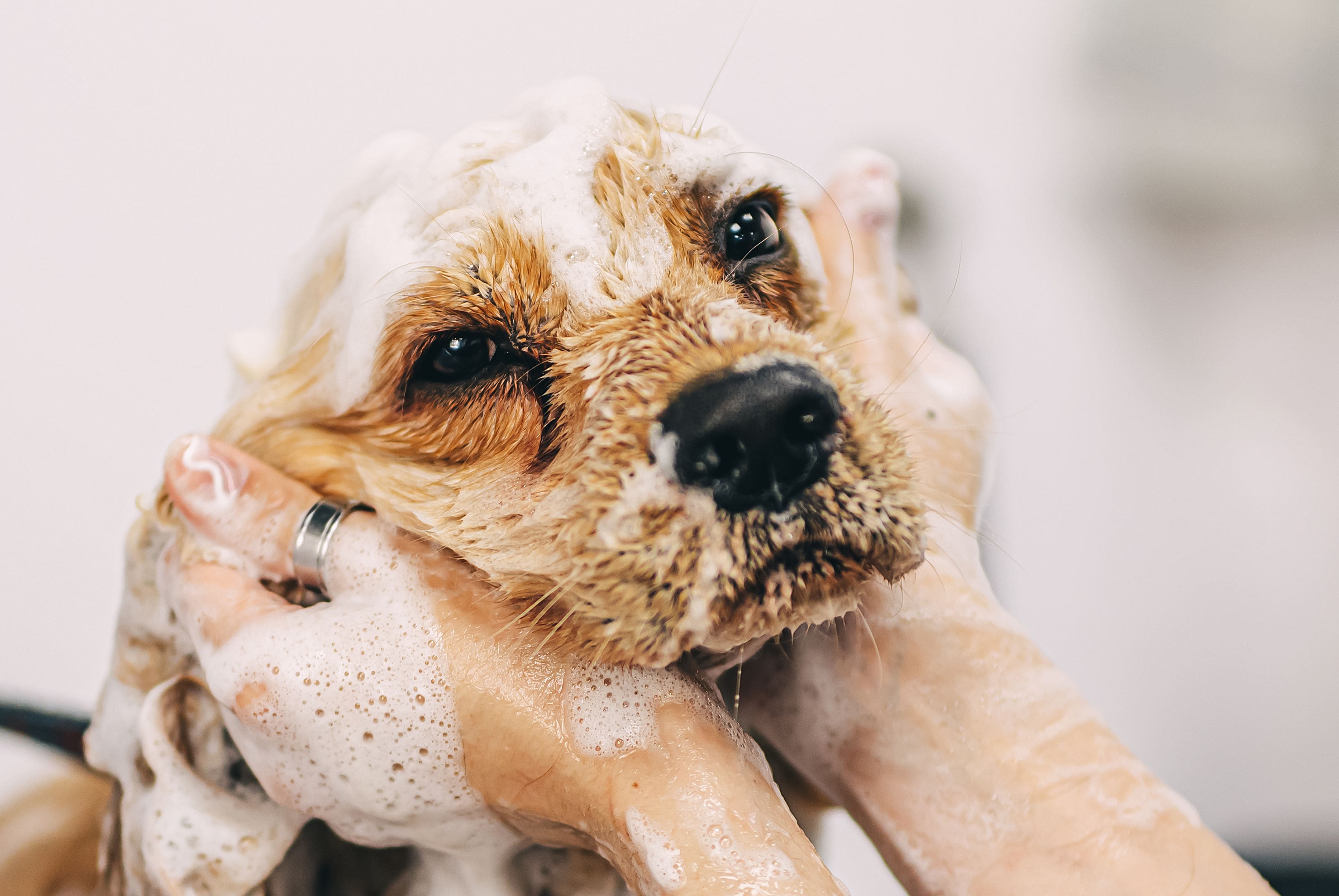
- Bathe regularly with shampoos that are simple in composition or contain soothing, moisturizing ingredients like oatmeal or ceramides
4. Can You Use Human
Anti-Itch Creams on Dogs?
Be cautious. Dosage and usage differ between
humans and animals. Some human creams contain multiple ingredients that may not
be safe for dogs. Steroid-based creams, if used long-term, can cause endocrine
disorders such as iatrogenic Cushing’s syndrome. Always consult a veterinarian
before applying any medication.

5. What Should You Watch
Out for When Using Dog Skin Ointments?
When applying ointment to a dog’s wound:
- Wear gloves to prevent bacteria or dirt from contaminating the wound
- Use an Elizabethan collar if necessary to stop the dog from licking
the ointment
- Choose products recommended by a veterinarian, ideally with natural
ingredients for gentler care
Reference: https://www.hiq-pets.com/article/115
Related Hi-Q Products