Fucoxanthin and Blood Sugar: A Marine Approach to Metabolic Health
Metabolic health used to be a conversation
people had in a doctor's office. Now it happens in the supplement aisle, on
fitness trackers, and on the upper arms of people wearing glucose monitors who
aren't diabetic at all. Blood sugar has become one of the most talked-about
topics in wellness, and trade coverage this year has increasingly framed it not
as a single number but as a systems-level story: glucose, insulin, liver, and
fat all pulling on one another.
That shift is changing what formulators look
for. A single-target ingredient feels thin when the consumer's real worry is
the whole picture. This is where brown seaweed enters the conversation.
Fucoxanthin, the pigment that gives brown algae its color, and fucoidan, its
sulfated polysaccharide, have both attracted research attention for metabolic
effects, and FucoBalan® brings the two together in one ingredient derived from
Saccharina japonica (Laminaria japonica).
What gives the story weight is a human trial.
A double-blind, randomized, placebo-controlled study at Taipei Medical
University-Wan Fang Hospital followed 42 adults with non-alcoholic fatty liver
disease (NAFLD), who took 1,650 mg of FucoBalan® twice daily against placebo.
The study reported significant reductions in ALT, a liver enzyme, and CAP, a
measure of liver fat, along with changes in HbA1c and adiponectin and
improvements in pancreatic β-cell function. It is one trial with a modest
sample, and it deserves to be described as promising rather than conclusive.
But it covers liver and glucose markers in the same people, which is exactly
the overlap consumers are asking about.
The pairing itself has laboratory support,
too. In a 2016 study in Food & Nutrition Research, researchers tested Hi-Q's
low molecular weight oligo-fucoidan and a high-stability fucoxanthin, alone and
combined, in intestinal cells challenged with an inflammatory trigger. The
combination outperformed either ingredient on its own: it strengthened the
cells' barrier, restored tight-junction gene expression, lowered the
inflammatory signals IL-1β and TNF-α, and raised IL-10 and IFN-γ, while the
oligo-fucoidan also encouraged the growth of the probiotic Bifidobacterium
lactis in the dish. It is a cell study, not a human one, but it offers a
mechanistic reason to formulate the two together rather than choosing between
them.
For formulators, that overlap is the
opportunity. Fatty liver, insulin resistance, and rising blood sugar travel
together, and a brand that can point to human data across them has a sharper
story than one leaning on generic "metabolic support" language.
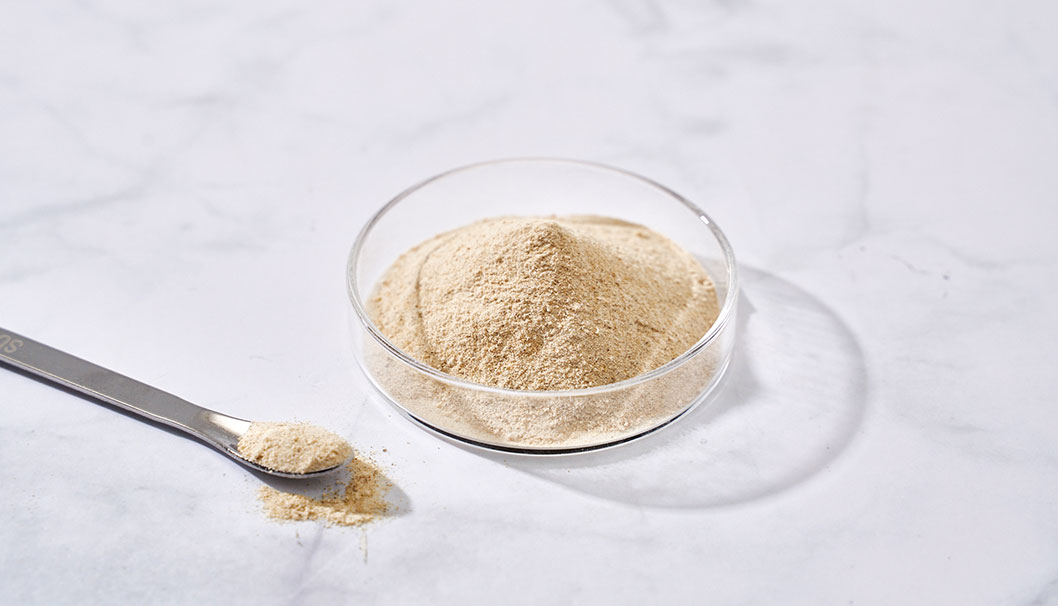
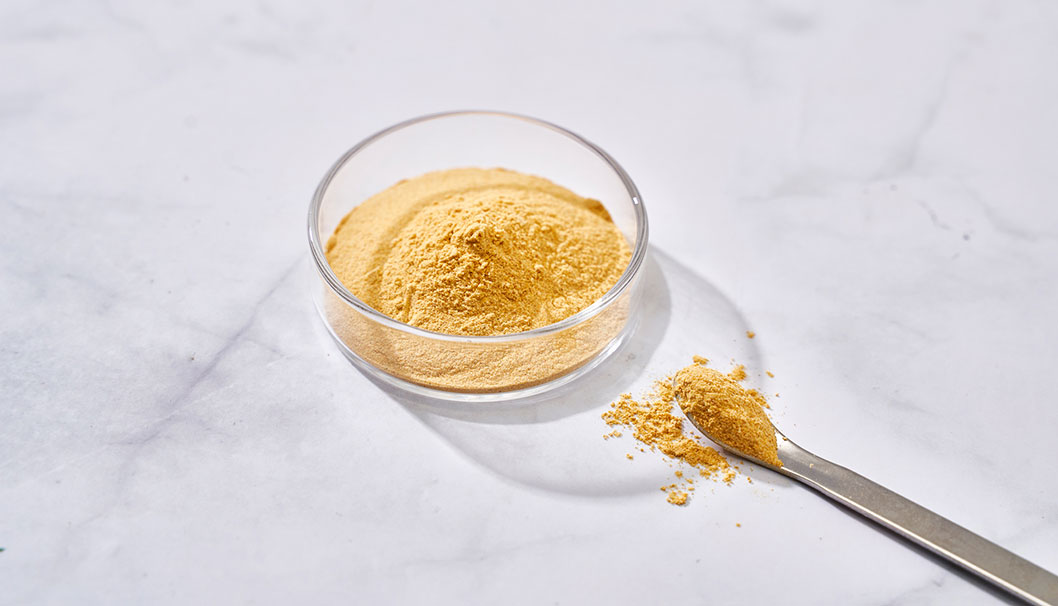
Practically, FucoBalan® is a yellow-brown powder with a slight seaweed taste,
suited to capsules, tablets, and powder sachets, which keeps the format decisions
simple.
As with any raw material, the claims belong
to the finished product, and each manufacturer is responsible for its own
compliance in its own market. What the ingredient can offer is a place to
start: a marine source, a published human trial, and a metabolic story that
matches how people now think about their health.
Why Hi-Q
FucoBalan® is Hi-Q's marine ingredient for metabolic health, combining oligo
fucoidan and fucoxanthin from Saccharina japonica in a powder suited to
capsules, tablets, and sachets. It is produced under ISO 22000 and HACCP
certification, is Halal certified, and is backed by the human NAFLD trial
described above, so formulators start with documented quality and published
evidence rather than a claim alone.
Related Hi-Q Products