
Animals Health Care
-

Pets are living longer than ever. Better nutrition, better veterinary care, and more attentive pet parents have pushed the average lifespan of dogs and cats steadily upward — and with it, the conditions that come with age. Cardiovascular disease, especially degenerative heart valve disease in small-breed dogs, is now one of the most common reasons senior pets visit the clinic. Pet parents want more than diagnosis; they want everyday support that helps their companions stay comfortable and active. That is where research on marine bioactives is starting to make a meaningful contribution.
-

Many pet parents hear their dogs coughing at night—a dry “ka, ka” sound or even a goose-like honk—and immediately think it’s just a cold. But for senior dogs, persistent coughing is often a warning sign of heart problems. Beyond identifying the cause, care starts with home observation and daily nutrition.
-

If your dog has recently been showing off its “invisible kicks,” scratching non-stop, it’s natural for pet parents to worry. What’s really going on?
There are many possible causes of itching in dogs, including allergic dermatitis, atopic dermatitis, and even psychogenic alopecia. To make a clear diagnosis, you’ll need the expertise of an experienced veterinarian.
-

Dr. Tseng Ching-Lung Teaches You 3 Ways to Prevent Kidney Disease in Your Pets Early!
Winter is a season when kidney disease is more likely to occur. This article compiles information on the symptoms and care of kidney failure, as well as the management of related complications, providing pet owners with a comprehensive approach to coping with kidney disease.
-
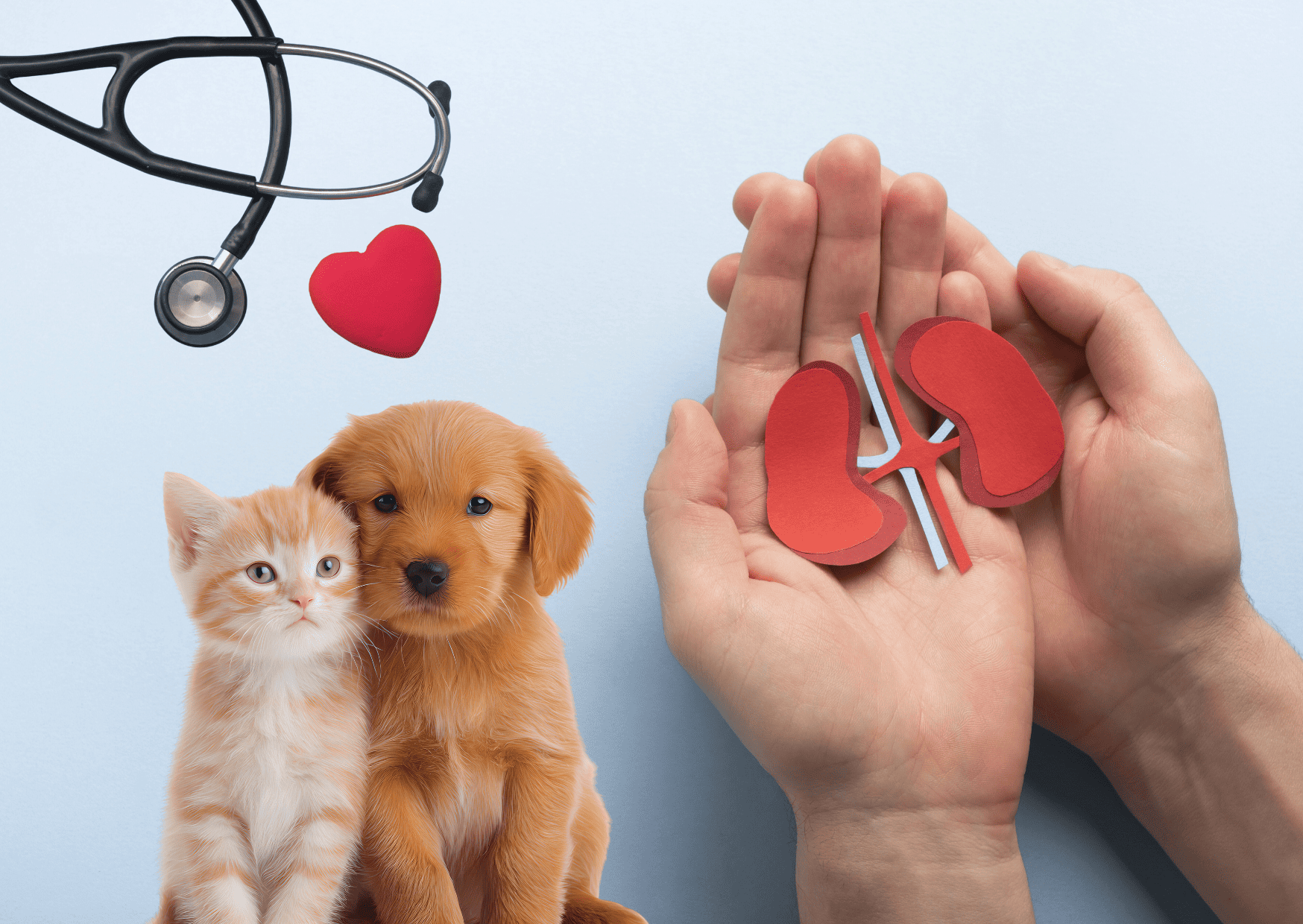
Are dogs and cats with heart disease also more likely to develop kidney disease?
When pets suffer from both conditions at the same time, does it leave pet parents feeling overwhelmed and at a loss? -
 Kidneys — The Silent Organ
When the kidneys become diseased, symptoms don’t always appear, and often no signs are felt at all. This causes many pet parents to only discover their beloved companions have developed chronic kidney disease (CKD) once the illness has already reached the late stages. -

The kidney is a silent organ. When it develops disease, symptoms may not necessarily appear, and often there are no obvious signs. This is why many pet parents only discover that their beloved companions have chronic kidney disease (CKD) when the illness has already progressed to later stages.
-
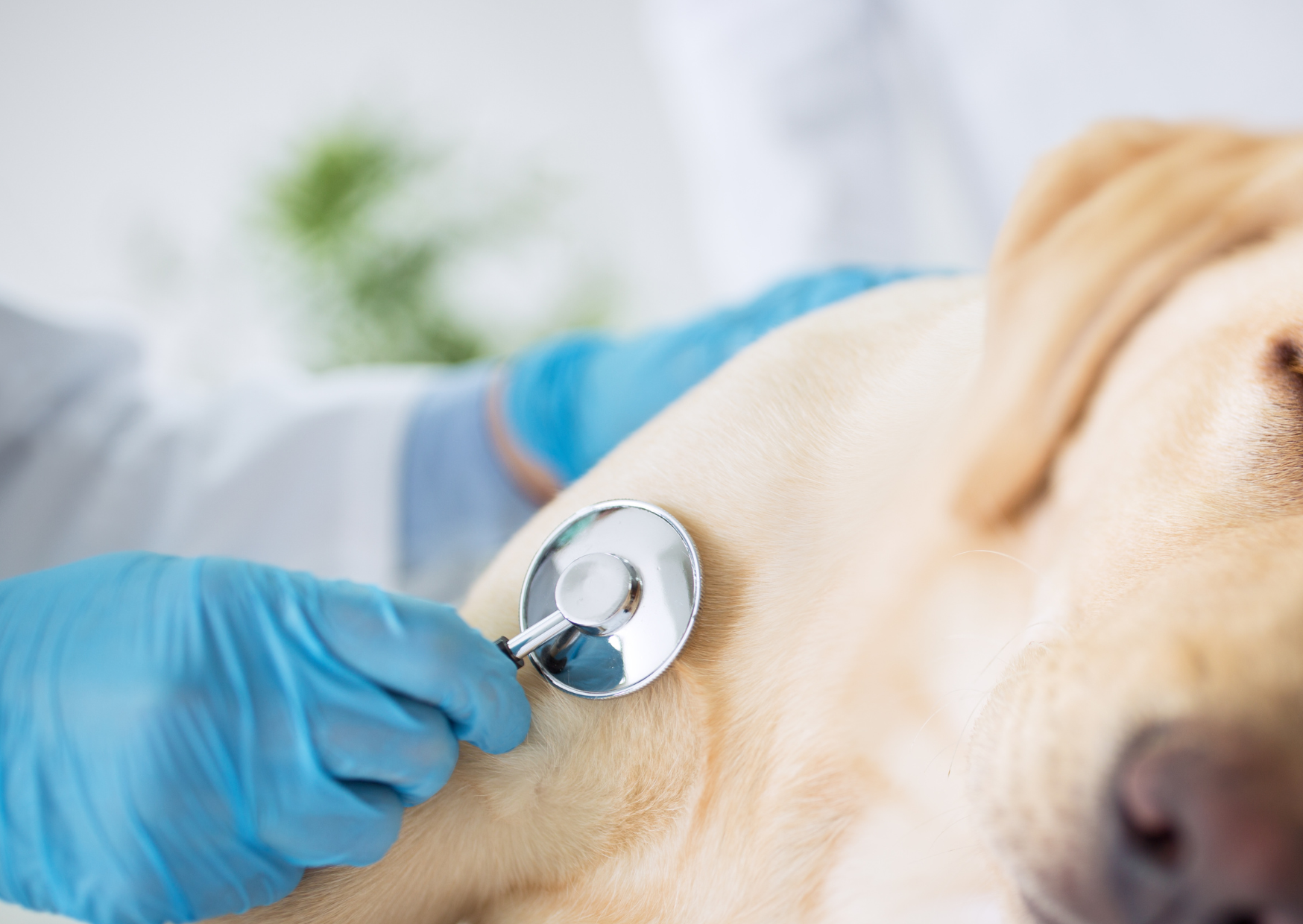 With advancements in modern medicine, tumors are no longer an absolute death sentence. However, the treatment process can have a significant impact on a pet’s physical and mental well-being. In such cases, palliative care may be an option. But when is the right time to consider it? How can it help pets in their final stages?
 -
 Dogs and cats with cancer often become weak—so how can they muster the strength to fight the disease?Beyond medical treatment, nutritional support plays a crucial role, and food therapy is often more appetizing than medication. How should they eat?
 -
 Most people know that weak immunity increases the likelihood of getting sick, but did you know that an overly strong immune system can actually attack healthy cells, mistaking them for invaders? This can lead to autoimmune diseases such as lupus or autoimmune hemolytic anemia.
 -
 Acupuncture for pets is a fascinating topic. Many pet owners are turning to this alternative treatment, especially for pets with conditions like bone spurs. To provide better insight, here are some common questions about pet acupuncture that can help owners understand it more.
 -
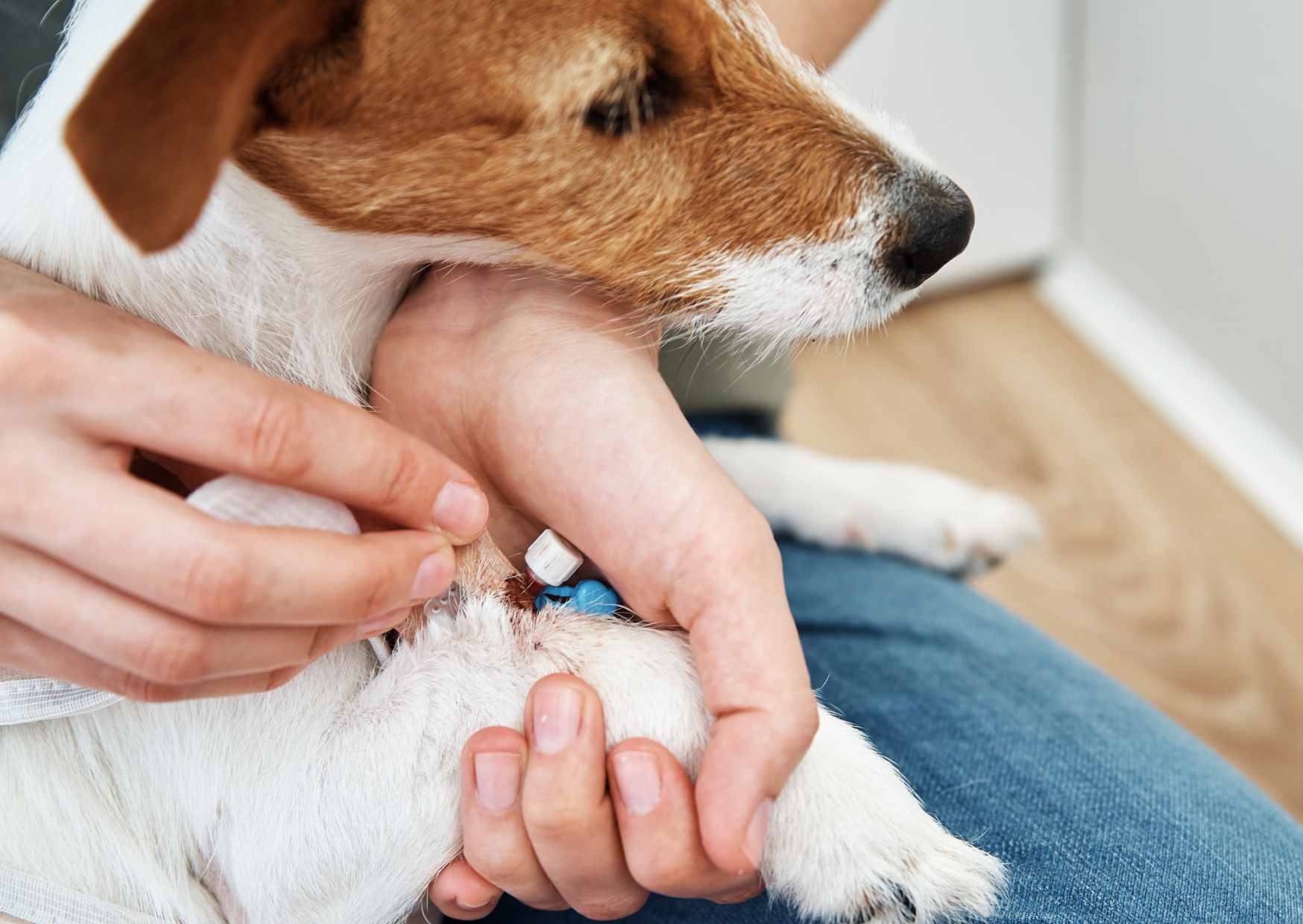 When hearing "arthritis," many people think of old age and degeneration. However, arthritis is not exclusive to elderly pets. Breed genetics, overweight, incorrect posture, and excessive use of joints causing wear and tear can all lead to joint damage and diseases in pets.